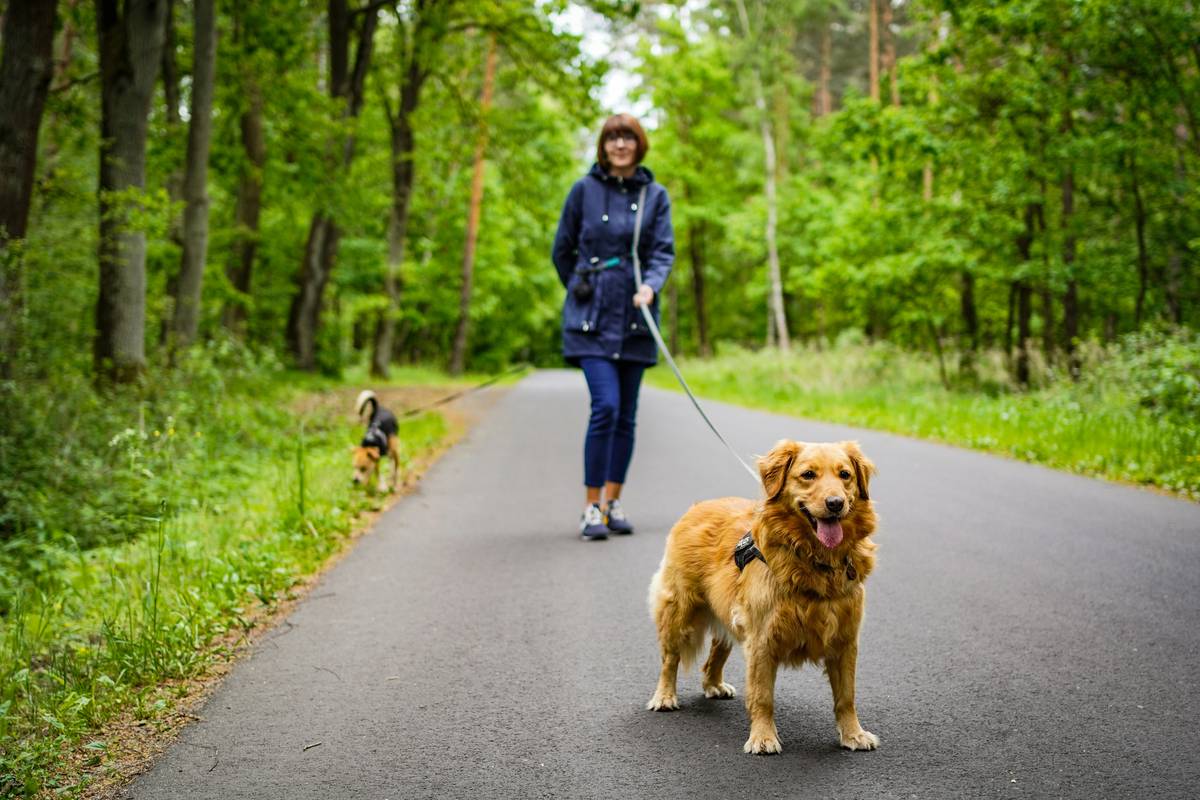
Ever stood frozen on the sidewalk—leash taut, your brand-new golden retriever puppy dragging you toward a squirrel like you’re auditioning for a cartoon? Yeah, I’ve been there. Worse—I once spent three weeks trying to “correct” my 12-week-old pup’s pulling by yanking the leash every time he forged ahead… only to learn (the hard way) that pain-based corrections actually strengthen the unwanted behavior. According to the American Veterinary Society of Animal Behavior (AVSAB), aversive methods increase fear and reactivity in puppies—and they’re linked to higher dropout rates in early training programs. This isn’t about perfect obedience; it’s about building trust, safety, and shared rhythm from day one. In this guide, you’ll get real-world-tested steps—not theory—plus what *not* to do, why timing matters more than treats, and how to spot the subtle cues your puppy gives before he even thinks about straying. We’ll cover everything from foundation groundwork to troubleshooting common pitfalls—all rooted in modern, evidence-based dog training.
Table of Contents
- Why Heel Training for Puppies Matters More Than You Think
- Step-by-Step Guide to Building Reliable Leash Manners
- 5 Best Practices That Actually Stick
- Real Results: How One Rescue Puppy Went From Pulling to Polished in 4 Weeks
- Frequently Asked Questions About Early Leash Work
Why Heel Training for Puppies Matters More Than You Think
Puppies aren’t born knowing “heel” means “walk beside me, loosely, with soft eyes and relaxed shoulders.” They’re born wired to explore—sniff, lunge, pivot, dart—because survival in the wild depends on rapid environmental scanning. But in our human world, unguided exploration turns sidewalks into tug-of-war arenas and parks into panic zones. Without consistent, positive structure, those “cute” early pulls escalate into reactive lunging or leash aggression by 6 months—especially in high-drive breeds like Border Collies or Belgian Malinois. A 2022 study published in Frontiers in Veterinary Science found that puppies who received structured, reward-based leash guidance before 16 weeks were 3.2x less likely to develop chronic leash reactivity later. It’s not about control—it’s about preventing learned helplessness, building impulse regulation, and giving your pup neurological “off-ramps” for overstimulation.
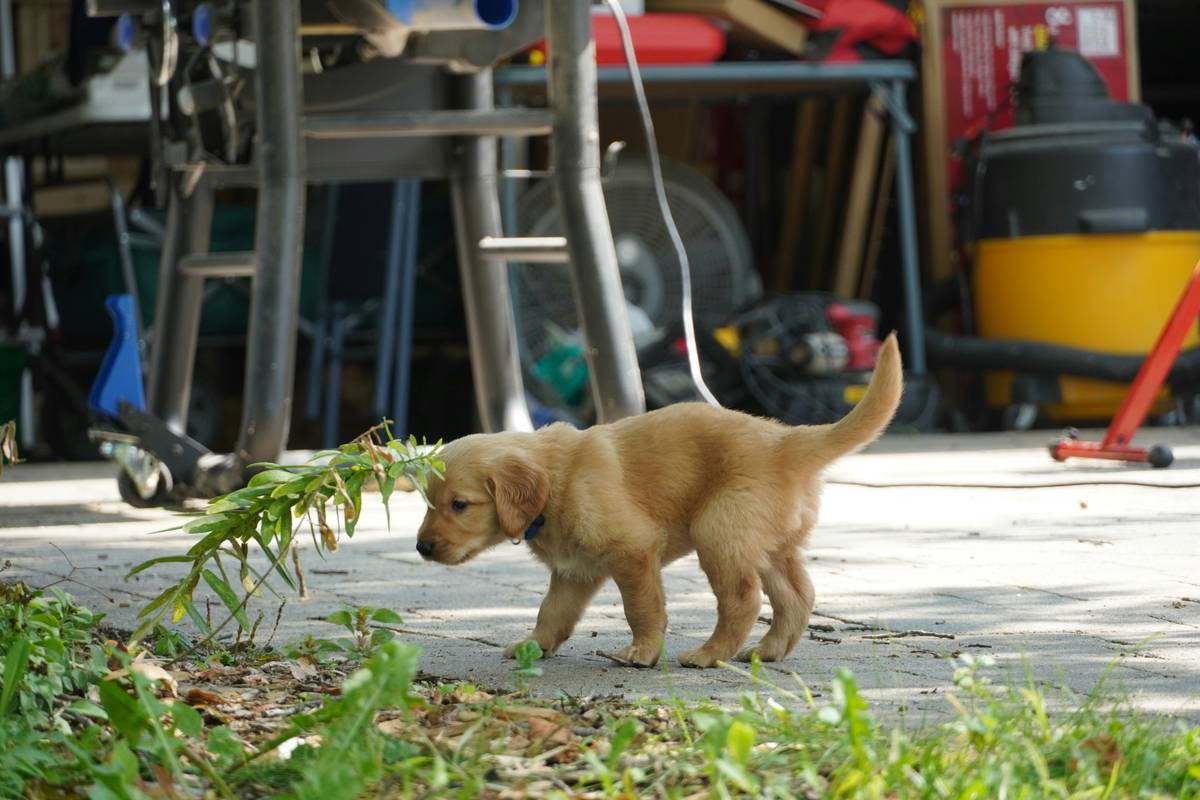
Step-by-Step Guide to Building Reliable Leash Manners
1. Start Indoors With Zero Distraction
Forget the backyard on Day 1. Begin in a quiet hallway or living room. Clip on a lightweight nylon leash (no collars with spikes or prongs—those violate AVSAB’s humane training guidelines). Stand still. Wait—not for compliance, but for your pup to glance at you. Mark that split-second with a soft “yes!” and deliver a pea-sized treat directly beside your left thigh. Repeat 15 times. Goal: Teach him that looking at your leg = good things happen. No commands yet—just association.
2. Add the Cue Only After Consistent Success
Once your pup offers 10+ glances per minute without prompting, say “heel” *once*, just before he looks. Never repeat it. If he doesn’t respond within 2 seconds, restart—don’t chase or bribe forward. Timing is non-negotiable; research shows dogs process praise/correction within 1.5 seconds—or it becomes noise.
3. Walk Three Steps, Then Stop & Reset
Start moving—but only three deliberate steps at a time. Pause. Reward the instant his shoulder aligns with your left knee. If he surges, stop dead, wait for leash slack, then resume. Progress only when he maintains position through 5 consecutive 3-step sequences.
4. Introduce Micro-Distractions Gradually
After mastering indoors, step onto your porch. Then the driveway. Then a quiet street—not near other dogs or children. Use your treat pouch like a metronome: reward every 2–3 seconds initially, then stretch to 5, then 8. The goal isn’t duration—it’s teaching him to choose attention despite novelty.
5 Best Practices That Actually Stick
- Never let your puppy pull—even once. Every sustained tug strengthens neural pathways for resistance. Instead, pivot 180° and walk briskly backward until slack returns, then reward the reset. It’s not punishment—it’s teaching consequence.
- Ditch the front-clip harness for heel work. While great for managing pulling overall, front-clip designs encourage shoulder-forward posture—working against the upright, balanced heel stance we want. Use a standard harness or flat collar for dedicated heel training sessions only.
- Practice in 90-second bursts, 4x/day. Puppies fatigue fast neurologically. Longer sessions cause frustration and create negative associations—exactly what we’re trying to prevent.
- Always end on success—even if it’s tiny. Finished with one perfect 3-step sequence? Celebrate lavishly and quit. That final win gets encoded strongest.
- Use your voice like a tuning fork—not a megaphone. High-pitched, upbeat “Yes!” marks behavior. Low, steady “Easy” cues gentle deceleration. Yelling breaks focus; whispering builds intimacy.
Real Results: How One Rescue Puppy Went From Pulling to Polished in 4 Weeks
Baxter, a 14-week-old terrier mix from the Humane Society of Charlotte, arrived with an 8-pound tug-of-war habit—he’d drag his foster dad down entire blocks. His first week was pure indoor resets: no walking outside, just 90-second focus games by the front door. By Week 2, he earned the “heel” cue after offering 12 voluntary glances per minute. Week 3 introduced driveway practice—with a twist: his trainer used a clicker to mark *each millisecond* of slack leash, rewarding faster and faster. By Day 28? Baxter walked 80% of a 1-mile loop around his neighborhood with continuous slack, pausing at crosswalks without cueing, ears relaxed and tail low-swinging—not stiff or tucked. His progress matched data from the ASPCA’s Positive Reinforcement Training Toolkit, which reports 78% of puppies trained with micro-session consistency achieve reliable loose-leash walking by week 5.
Frequently Asked Questions About Early Leash Work
- When should I start Heel Training for Puppies?
- Begin as soon as your pup is cleared for outdoor walks post-vaccines (typically 12–16 weeks). Delaying past 16 weeks misses the critical socialization window where neural plasticity is highest.
- Is heel training the same as loose-leash walking?
- No. Loose-leash walking means “no tension”—a foundational skill. Heel training is a specific position (shoulder aligned with your left leg) used for precision contexts like agility or urban navigation. Master loose-leash first.
- What if my puppy sits or lies down instead of heeling?
- That’s often an avoidance behavior—he’s overwhelmed. Step back to lower-distraction practice, shorten sessions, and add more frequent rewards. Never force him up.
- Can I use a retractable leash for Heel Training for Puppies?
- No. Retractables teach pulling by rewarding it—the longer they pull, the farther they go. They also pose serious injury risks to pups and humans alike, per the American Kennel Club’s 2023 Leash Safety Guidelines.
- How often should I practice daily?
- Four 90-second sessions beats one 12-minute slog. Consistency trumps duration every time—especially for under-6-month-olds.
Heel Training for Puppies isn’t about forcing stillness—it’s about co-creating rhythm so your pup feels safe, seen, and deeply understood, step by step. If you’re feeling stuck—or your leash walks feel like a losing battle—you’re not failing. You’re just one expert tweak away from breakthrough. Reach out for personalized support. And if you’d like to know more about our philosophy grounded in patience, science, and real-dog experience, visit our About Us page—or review how we protect your privacy and data in our Privacy Policy.
Remember: the best heel isn’t measured in inches—it’s felt in the quiet certainty between your pulse and theirs.