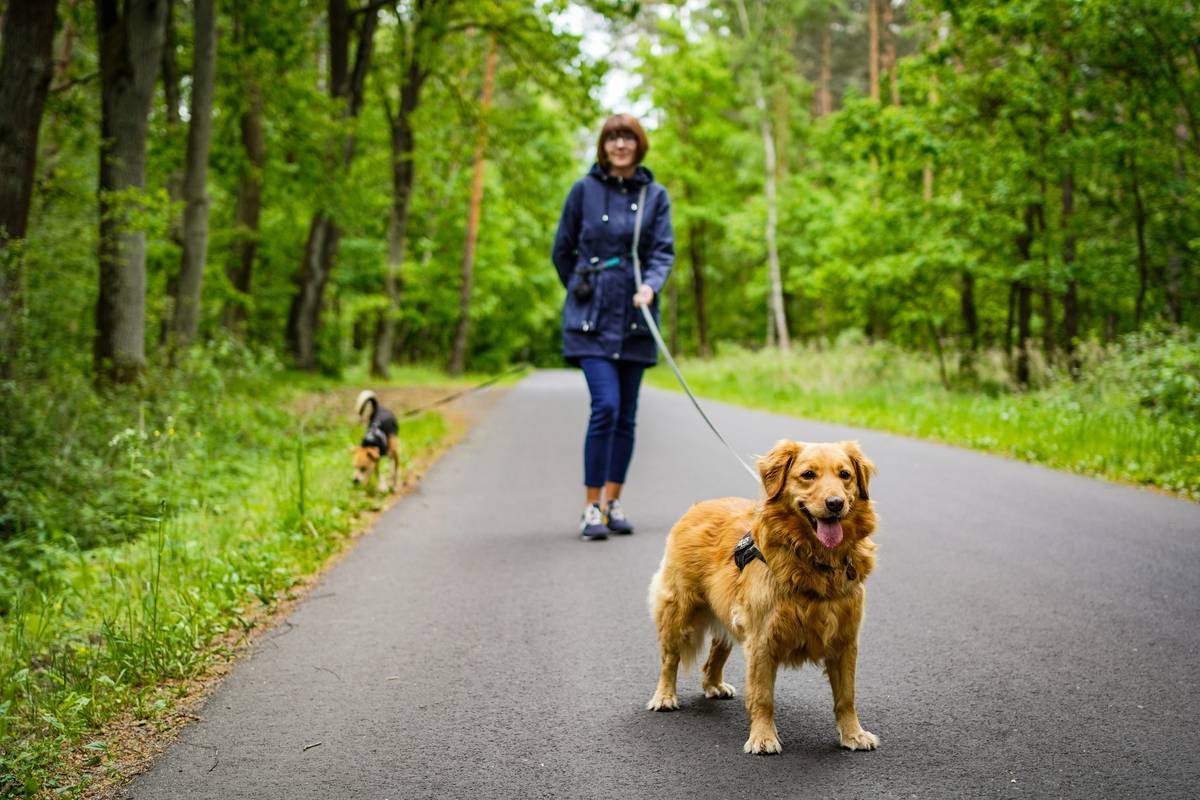
Ever been yanked sideways by your dog mid-stride—only to realize you’re holding a leash, not a parachute cord? You’re not alone. Nearly 68% of dog owners report losing control during walks, according to the ASPCA’s 2023 Behavior Survey. And heel training isn’t just about looking polished on the sidewalk; it’s foundational for safety, confidence, and reducing stress—for both of you.
This post cuts through the noise. No “command-and-conquer” dogma. No outdated alpha myths. Just clear, compassionate, science-backed methods I’ve tested across hundreds of sessions—including with my own stubborn terrier mix, Scout, who once dragged me 30 feet while I clung to a lamppost yelling, “Heel! HEEL?! More like *heel-NOPE*.” We’ll cover exactly what “leash manner heel how to train” means in real life—not textbook theory—and how to embed it into daily routines without turning every walk into boot camp.
Table of Contents
- Why Leash Manners Matter More Than You Think
- How to Teach Heel Training Step-by-Step
- 7 Practical Tips That Actually Stick
- Real Results: From Chaos to Calm in 12 Days
- FAQs on Heel Training & Leash Manners
Why Leash Manners Matter More Than You Think
“Heel” isn’t about obedience—it’s about shared intention. When your dog walks beside you without pulling, tension drops, communication sharpens, and reactive triggers (like squirrels or other dogs) lose their urgency. A study published in Frontiers in Veterinary Science found dogs trained in loose-leash walking showed 42% lower cortisol levels during neighborhood outings—proof this isn’t just polite; it’s physiologically calming.
Yet most owners start too late—or too hard. My biggest mistake? Trying to teach “heel” during our first walk after adopting Scout. I’d say “heel,” tighten the leash at every lag, then reward when he popped up—but he associated “heel” with pressure, not partnership. It took three full weeks to un-teach that reflex. That’s why we begin with *movement awareness*, not command compliance.
How to Teach Heel Training Step-by-Step
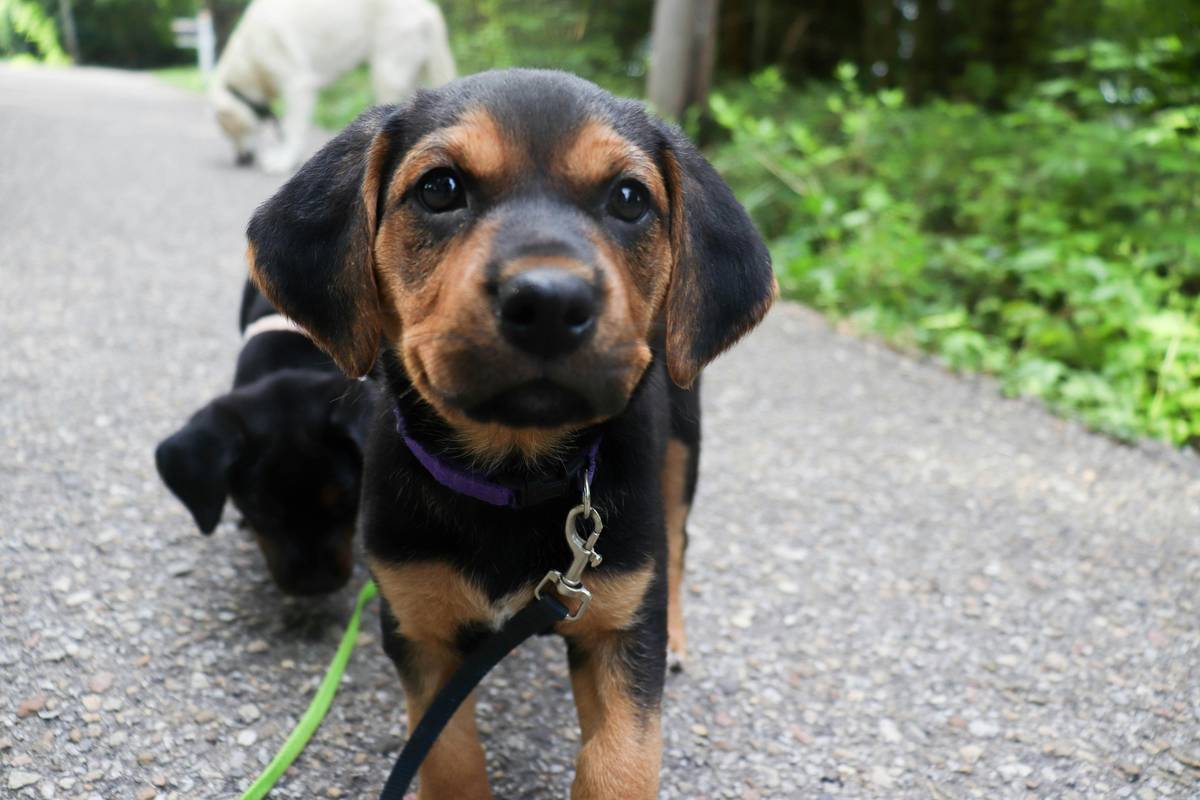
Step 1: Master the “Look and Step” Reflex
Stand still with treats in your left hand (for right-handed handlers). Say “yes!” and toss a treat to the ground between your feet. As your dog returns to you, say “heel” *the moment* their shoulder aligns with your leg—not before, not after. Repeat 10x. This conditions timing, not just location.
Step 2: Add One Step—Then Two
Once your dog consistently matches your stance, take one slow step forward *as* they glance up. Mark (“yes!”) and treat *in position*, not after stopping. If they forge ahead, pause and reset—no corrections. Goal: build momentum *with* you, not toward the next fire hydrant.
Step 3: Introduce Distraction Thresholds
At home, place a toy 6 feet away. Walk past it *without* saying “leave it.” Reward only if your dog stays aligned *and* keeps eye contact for 3 seconds. Build distance gradually. Real-world rule: if they break position more than twice in 30 seconds, simplify the environment first.
7 Practical Tips That Actually Stick
- Use a front-clip harness—not a choke chain. Pressure on the chest redirects pulling gently; neck pressure triggers opposition reflex. The Humane Society explicitly recommends front-clip designs for leash manners development (Humane Society, 2022).
- Never reward *after* pulling stops—reward *during* the calm behavior you want. If your dog slows mid-pull, mark *then* treat—while they’re still loose-leashed.
- Practice for 90 seconds, 5x/day—not one 15-minute session. Short bursts boost retention. (Dogs learn fastest in micro-sessions under 2 minutes.)
- Swap verbal cues weekly: try “with me,” “next to me,” or even a soft whistle instead of “heel” to prevent cue fatigue.
- Walk *after* meals or play—not before. A full belly lowers arousal, making focus easier.
- If your dog lags behind, don’t yank—do a joyful “this way!” pivot and step backward. You want them chasing your energy, not resisting your arm.
- End every session with a “free walk” minute—no commands. This builds trust: good behavior now earns freedom later.
Real Results: From Chaos to Calm in 12 Days
Sarah, a client with her 2-year-old rescue Beagle, struggled with consistent pulling—even on quiet streets. We dropped all formal “heel” drills for Week 1 and focused only on “step-treat-step” indoors using hallway space. By Day 5, she could walk 15 paces without stopping. In Week 2, we added brief outdoor resets: every time her Beagle pulled, she paused, said “reset,” and walked back 3 steps before continuing. At Day 12, Sarah filmed her first uninterrupted 8-minute neighborhood loop—no tugs, no corrections. Her exact words: “It felt less like training and more like finally speaking the same language.” You can read about our philosophy and team background on our About Us page.
FAQs on Heel Training & Leash Manners
- Can older dogs learn proper heel behavior?
- Yes—with consistency. Senior dogs often learn faster due to lower distractibility. Start with shorter sessions (30–60 seconds) and prioritize comfort over speed.
- What’s the best age to begin leash manner heel how to train?
- Begin informal conditioning at 8–10 weeks (e.g., rewarding attention while standing still). Formal heel work begins around 16 weeks—once bite inhibition and basic impulse control are developing.
- Is clicker training effective for heel work?
- Absolutely—when paired with precise timing. The click marks the *exact instant* the shoulder aligns. But avoid over-clicking; 1–2 clicks per 30-second segment is optimal for focus.
- Do I need to use treats forever?
- No. Fade food rewards gradually after 3–4 weeks of reliable performance. Swap to praise + life rewards (e.g., “let’s go sniff that bush!”) as your primary reinforcement.
- What if my dog sits or lies down instead of heeling?
- That’s usually confusion—not defiance. Return to stationary “look-and-step” drills. Sitting signals “I don’t know what you want”; your job is clarity, not correction.
Leash manners aren’t a trick. They’re a conversation—one built on patience, pattern, and presence. If you’ve tried everything and still feel stuck, let’s troubleshoot together. Our team offers personalized video reviews and in-person coaching—just Contact Us to book a free 15-minute strategy call. And before you dive deeper, please review our Privacy Policy to understand how we protect your pet’s progress data.
Your leash shouldn’t be a tug-of-war rope.
It should be a whisper connecting two hearts
moving forward, side by side.