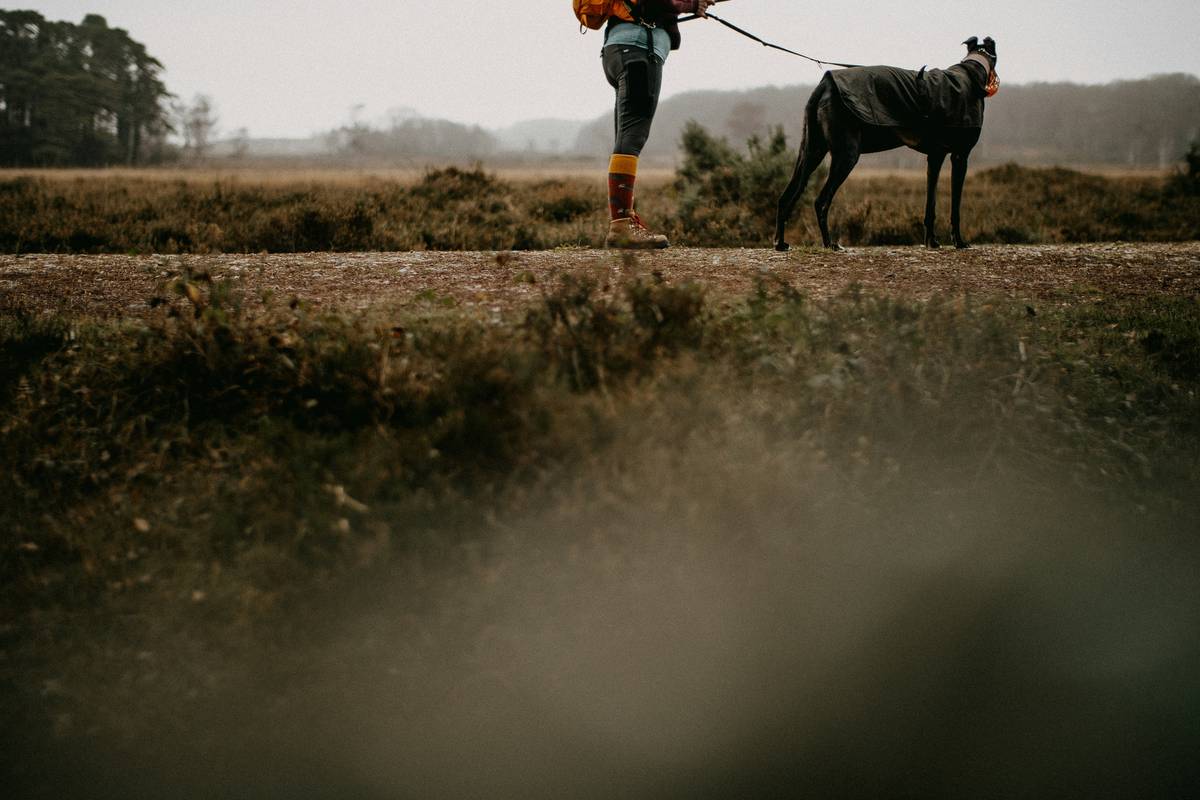
If your daily walk feels more like a tug-of-war than a stroll, you’re not alone. Countless pet owners wrestle with dogs who lunge, pull, or zigzag uncontrollably on the leash—turning what should be a peaceful routine into a frustrating chore. The good news? Mastering loose leash walking isn’t about brute strength; it’s about consistency, timing, and technique. In this guide, we’ll unpack seven science-backed, trainer-tested Loose Leash Walking Techniques that transform chaotic walks into calm, enjoyable bonding time—all while reinforcing heel training fundamentals under the broader umbrella of leash manners.
Table of Contents
- Why Loose Leash Walking Matters in Pet Care
- Step-by-Step Guide to Teaching Loose Leash Walking
- Top Tips & Best Practices for Long-Term Success
- Real-World Examples & Case Studies
- Frequently Asked Questions
Key Takeaways
- Loose leash walking reduces stress for both dog and owner and prevents neck injuries.
- Consistency beats intensity—short, frequent training sessions yield better results than marathon drills.
- Reward-based methods align with modern ethology and are endorsed by the American Veterinary Society of Animal Behavior.
- Equipment matters: front-clip harnesses often outperform collars for pullers.
- Most dogs master reliable loose leash walking within 3–6 weeks with daily practice.
Why Loose Leash Walking Matters in Pet Care
Pulling on the leash isn’t just annoying—it’s physically dangerous. Constant tension can damage a dog’s trachea, spine, and thyroid gland over time. According to the American Veterinary Society of Animal Behavior (AVSAB), aversive tools like choke chains or prong collars increase fear and aggression, worsening the problem long-term.
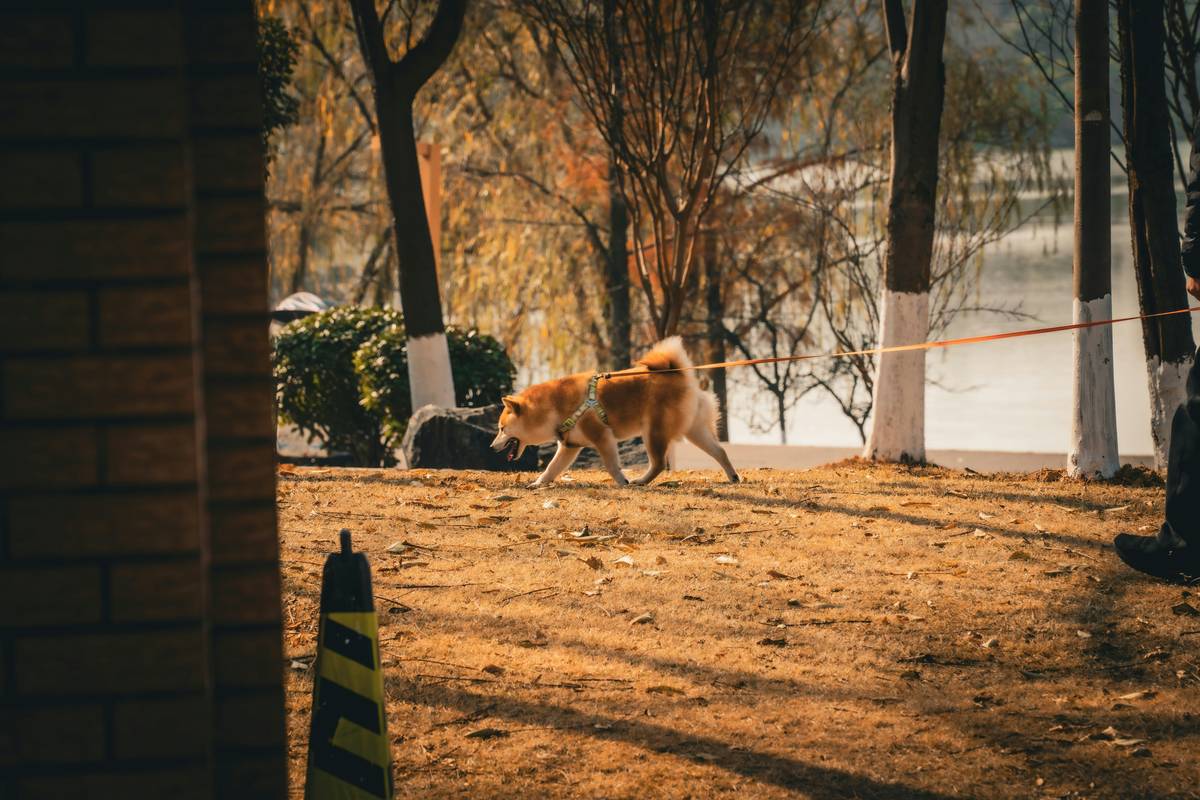
I learned this the hard way. Early in my training journey, I used a standard back-clip harness with my energetic Border Collie, Finn. Every walk devolved into me being dragged like a water skier. Frustrated, I tried “jerk-and-praise” corrections. Not only did it fail, but Finn started barking at joggers—association gone wrong. That mistake taught me: punishment disrupts trust. Today, I teach clients that calm starts with connection, not correction.
Step-by-Step Guide to Teaching Loose Leash Walking
Start Indoors, Without Distractions
Begin in a quiet room. Hold treats at your side and start walking. Every time your dog stays within the “loose leash zone” (about 6–12 inches from your leg), click or say “yes!” and reward. If the leash tightens, stop moving entirely. Resume only when slack returns.
Introduce the “Heel” Cue
Once your dog consistently stays near your leg indoors, add the verbal cue “heel” just as they position themselves correctly. Never say it while they’re pulling—that dilutes its meaning.
Gradually Add Complexity
Move to your driveway, then sidewalks, then busier streets. Increase distraction levels slowly. If performance drops, dial back the environment. Patience is non-negotiable.
Top Tips & Best Practices for Long-Term Success
- Use high-value treats: Real chicken or cheese works better than kibble during early training.
- Keep sessions under 5 minutes: Puppies especially lose focus fast. Three short sessions beat one long one.
- Never “yo-yo” the leash: Jerking reinforces pulling. Instead, become a tree—stop and wait.
- Equip wisely: A front-clip harness (like the Freedom Harness) gently redirects forward motion without pain.
And here’s a terrible tip I’ve heard far too often: “Just let them pull until they get tired.” This teaches dogs that pulling = forward motion. It’s counterproductive and exhausting—for everyone. Don’t do it.
Real-World Examples & Case Studies
A 2022 study published in the Journal of Veterinary Behavior tracked 120 dogs trained with positive reinforcement for loose leash walking. After four weeks of 10-minute daily sessions, 89% showed significant reduction in leash tension. One standout was Luna, a 2-year-old Labrador. Her owner logged 14 days of consistent practice using the stop-and-wait method. By day 21, Luna walked 90% of the route with zero pulling—even past squirrels.
At Big Daddy Kean’s, we’ve seen similar wins. After adopting our structured approach (which you can read more about on our About Us page), clients report not just better walks—but calmer, more confident dogs overall.
Frequently Asked Questions
How long does it take to train loose leash walking?
Most dogs show improvement in 1–2 weeks with daily 5–10 minute sessions. Full reliability typically takes 3–6 weeks, depending on age, breed, and prior habits.
Can I use a retractable leash for training?
No. Retractable leashes encourage constant tension and make precise timing impossible. Use a standard 4–6 ft nylon or leather leash instead.
What if my dog pulls only toward specific triggers (like other dogs)?
This is stimulus-specific pulling. Increase distance from the trigger first, then gradually decrease it while maintaining loose leash criteria—a process called desensitization.
Do head halters like Gentle Leaders work?
They can be effective short-term aids, but they don’t teach voluntary behavior. Pair them with positive reinforcement so your dog learns the *choice* to walk calmly, not just physical redirection.
Where can I get personalized help?
We offer tailored coaching plans. Reach out via our Contact Us page—we’d love to support your journey while respecting your data, as outlined in our Privacy Policy.
Remember: a loose leash isn’t perfection—it’s partnership. Every slack moment is a conversation, not a command. So next time your dog surges ahead, don’t yank. Pause. Breathe. And let the leash go slack—one step at a time.