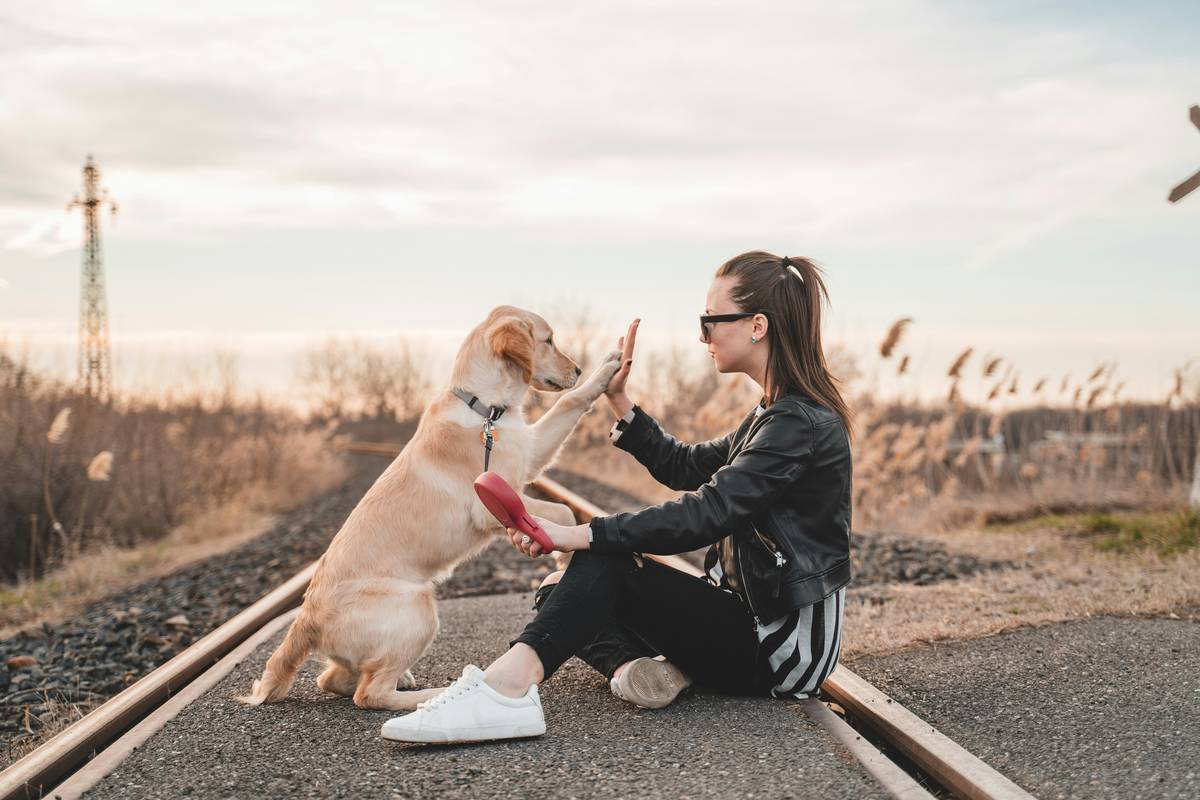
Your teacup Yorkie yanks you down the sidewalk like a furry missile. You’re not walking your dog—you’re being walked. And every “heel” command vanishes into the wind like confetti at a parade. The frustration is real. But here’s the fix: Heel training for small breeds isn’t about dominance—it’s about rhythm, trust, and millimeter-precise timing.
Why Standard Heel Training Fails Tiny Dogs
Big-dog methods assume mass, momentum, and physical compliance. Apply those to a 4-pound Chihuahua? You’ll either scare them rigid or drag them like luggage. Most trainers ignore a brutal truth: small breeds process leash pressure differently—they don’t yield; they panic.
And their natural gait is faster, twitchier. Expecting them to match your human stride without adaptation is like asking a hummingbird to fly in formation with a goose.
Step-by-Step Heel Training for Small Breeds That Actually Works
Forget brute-force corrections. This protocol leverages their speed, sensitivity, and desire for closeness. Start indoors—no distractions, no traffic noise. Use high-value treats (real chicken, not kibble) cut into rice-grain sizes.
Phase 1: Anchor the Position
Stand still. Lure your dog to your left side (or right if that’s your preference) using a treat held at knee height—not waist! Say “heel” only once when all four paws land in position. Click (or use a verbal marker like “yes!”), then reward instantly. Repeat 10x. No walking yet.
Phase 2: Add Micro-Movements
Take one step forward. If your dog stays aligned, mark and reward mid-stride. If they surge ahead, stop dead. Wait. Let them reset themselves. Reward the return. Your pace should match theirs—think strolls, not marches.
Phase 3: Embed Distraction Buffers
Practice near open doors, squeaky toys, or other dogs—but only after nailing Phase 2 flawlessly. Start at 15 feet away from triggers. Gradually close distance only when focus holds steady for 30+ seconds.
| Method | Time to Reliability | Best For | Risk of Anxiety Buildup |
|---|---|---|---|
| Traditional Collar Tugs | 8–12 weeks (if it works) | None—avoid for small breeds | High |
| Clicker + Treat Lure | 2–4 weeks | Puppies & sensitive adults | Low |
| Front-Clip Harness + Motion Cues | 3–5 weeks | Escape artists & pullers | Very Low |
| Shadow Walking (Owner Mirroring) | 1–3 weeks | Dogs already bonded to handler | Negligible |
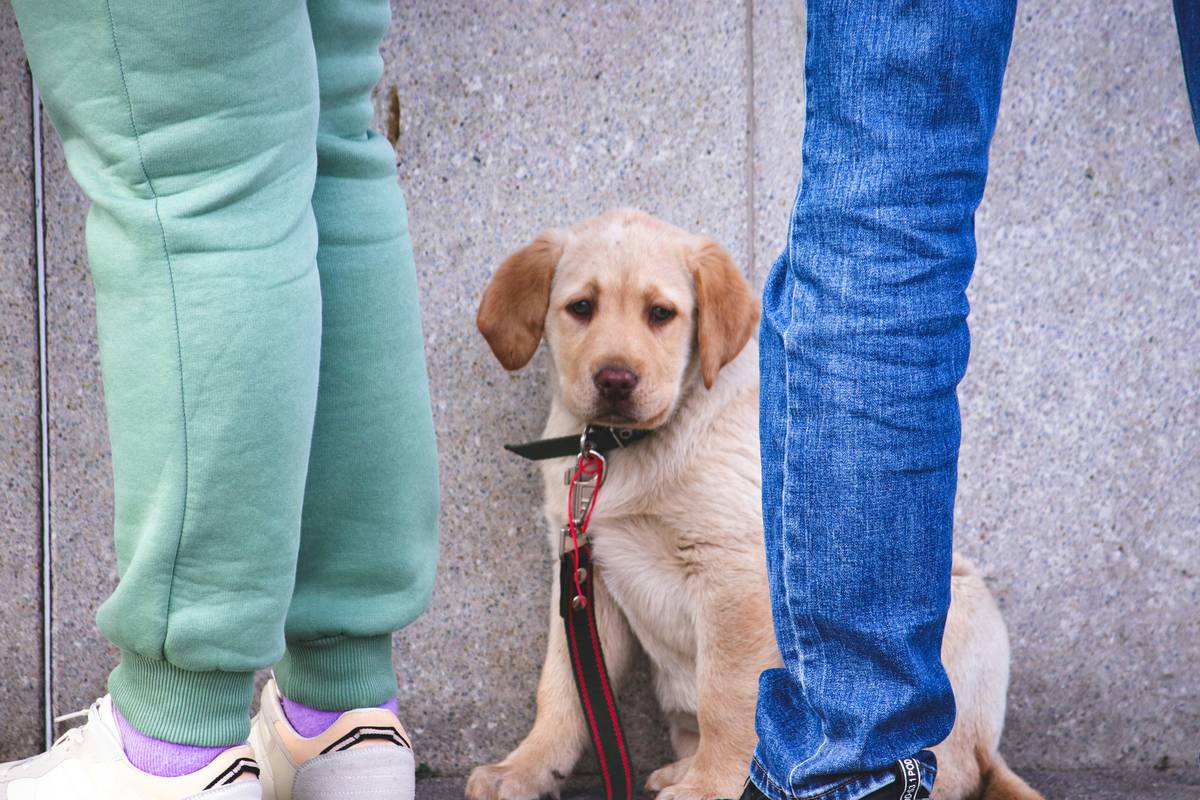
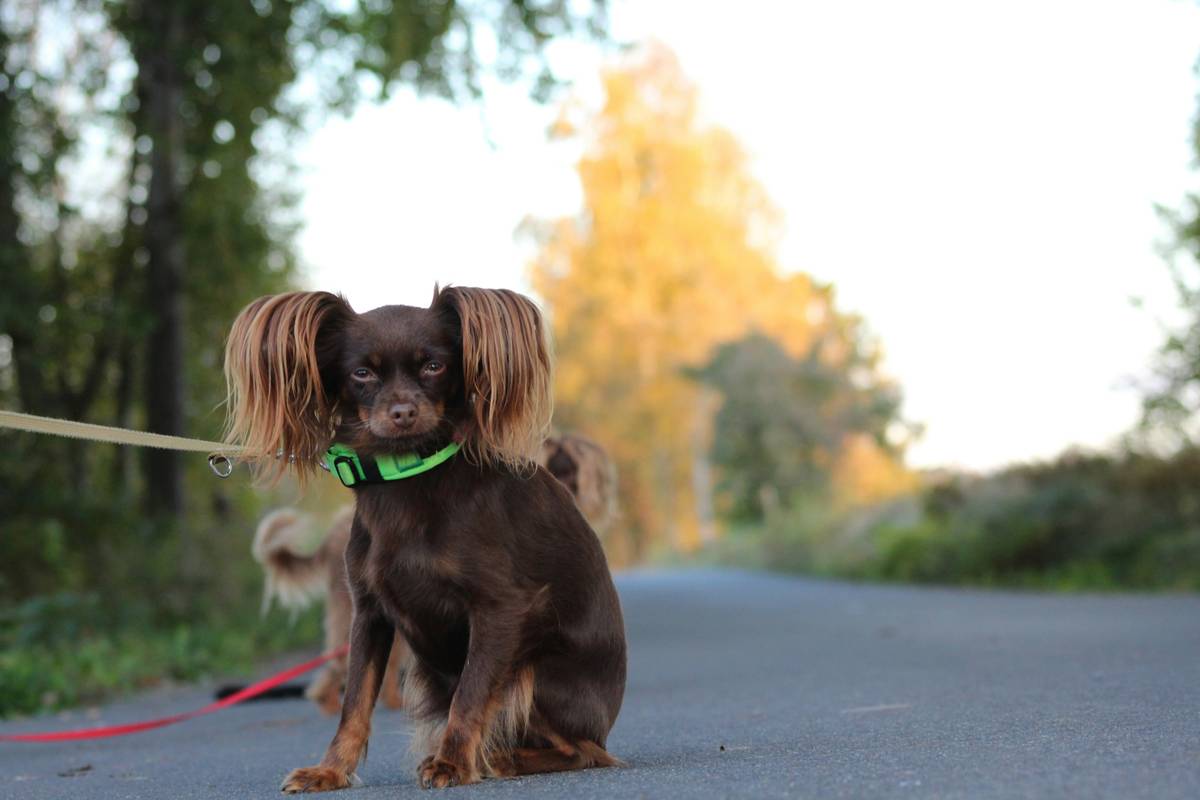
The Industry Secret: They Don’t Follow Your Leg—They Follow Your Breath
Here’s what nobody tells you: ultra-sensitive small dogs sync to your respiratory rhythm more than your footsteps. Exhale slowly as you step—that subtle cue signals calm movement. Inhale sharply? They freeze. Test this: next session, walk while holding your breath. Watch them break position instantly. The math is simple—your autonomic nervous system broadcasts safety (or stress) before your body even moves. Train your breathing first. Your dog will heel like a shadow.
FAQ
Can I use a retractable leash for heel training small breeds?
No. The inconsistent tension confuses positional feedback. Use a fixed 4–6 ft leash—preferably hands-free style—to maintain clean, steady communication.
How young can I start heel training a small puppy?
Begin anchoring position at 10–12 weeks. Keep sessions under 90 seconds. Their joints are fragile—never force alignment.
Why does my dog heel perfectly at home but bolt outside?
Outdoor stimuli overwhelm unbuffered behavior. You haven’t layered distraction gradients slowly enough. Go back to Phase 2—near an open window first, not on the sidewalk.