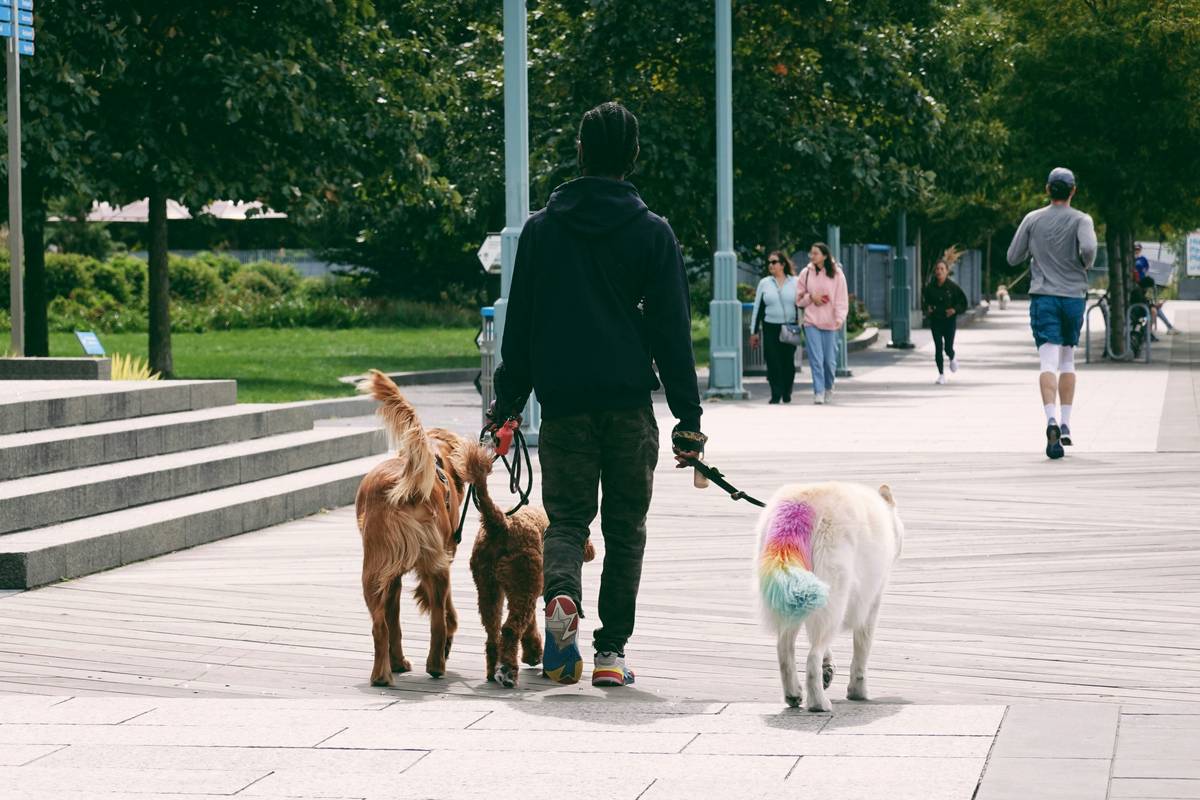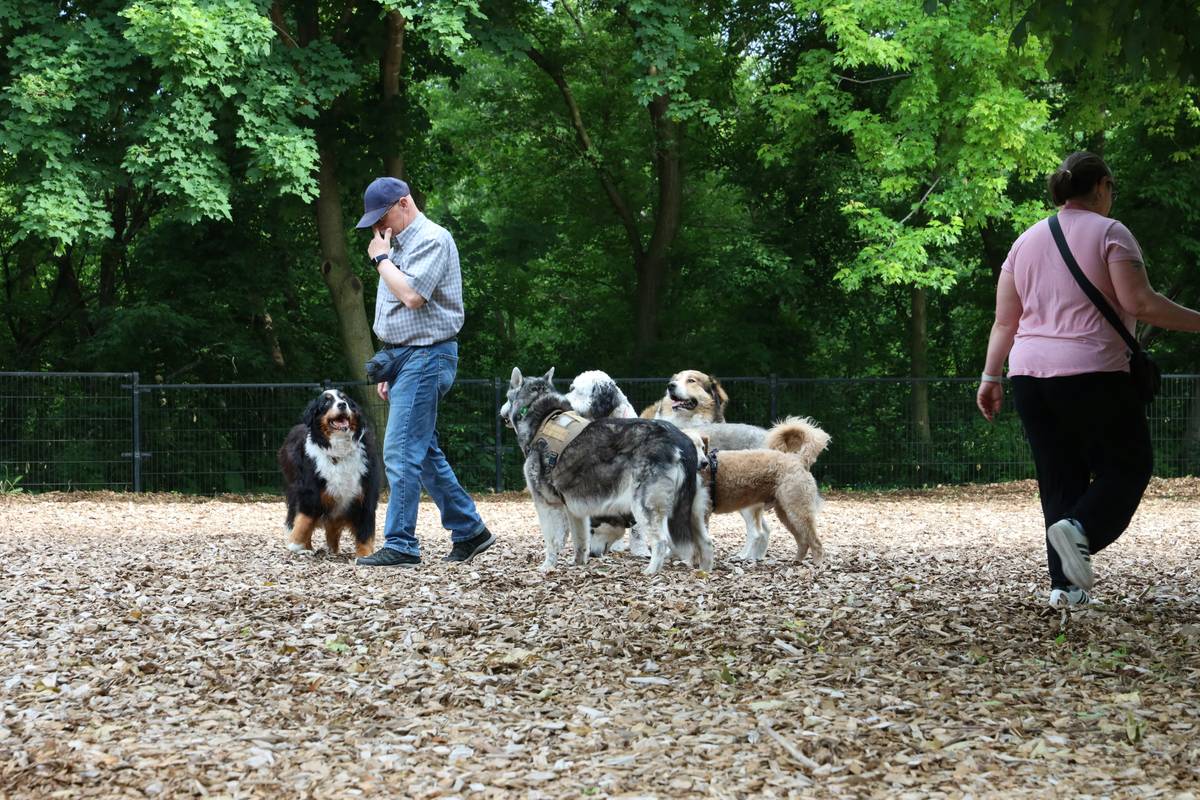
You step out the door with two leashes in hand—and chaos erupts. One dog lunges at a squirrel. The other veers toward a neighbor’s yard. You’re yanked in opposite directions, feeling less like a pet parent and more like a tug-of-war rope. Focus for Multi-Pet Walks isn’t about brute strength or fancy gear. It’s about teaching your pack to lock eyes with you—not distractions—under pressure.
Why Traditional Heel Training Crumbles With Multiple Dogs
Solo heel work tricks you into thinking you’ve “nailed it.” Add a second (or third) dog, and everything unravels. Why? Because classic methods train obedience in isolation—not real-world distraction clusters. Your dog might heel perfectly beside you on a quiet street. But toss in another excited pup barking at a leaf, and their focus evaporates.
Group dynamics change everything. Dogs feed off each other’s energy. One reactive glance becomes a chain reaction. And most trainers never simulate that pressure during practice. They drill precision in sterile environments—then wonder why walks feel like herding cats.
The Step-by-Step System for Reliable Focus for Multi-Pet Walks
Forget trying to control every step. Build focus first. Control follows.
Phase 1: Master Individual Engagement Off-Leash Indoors
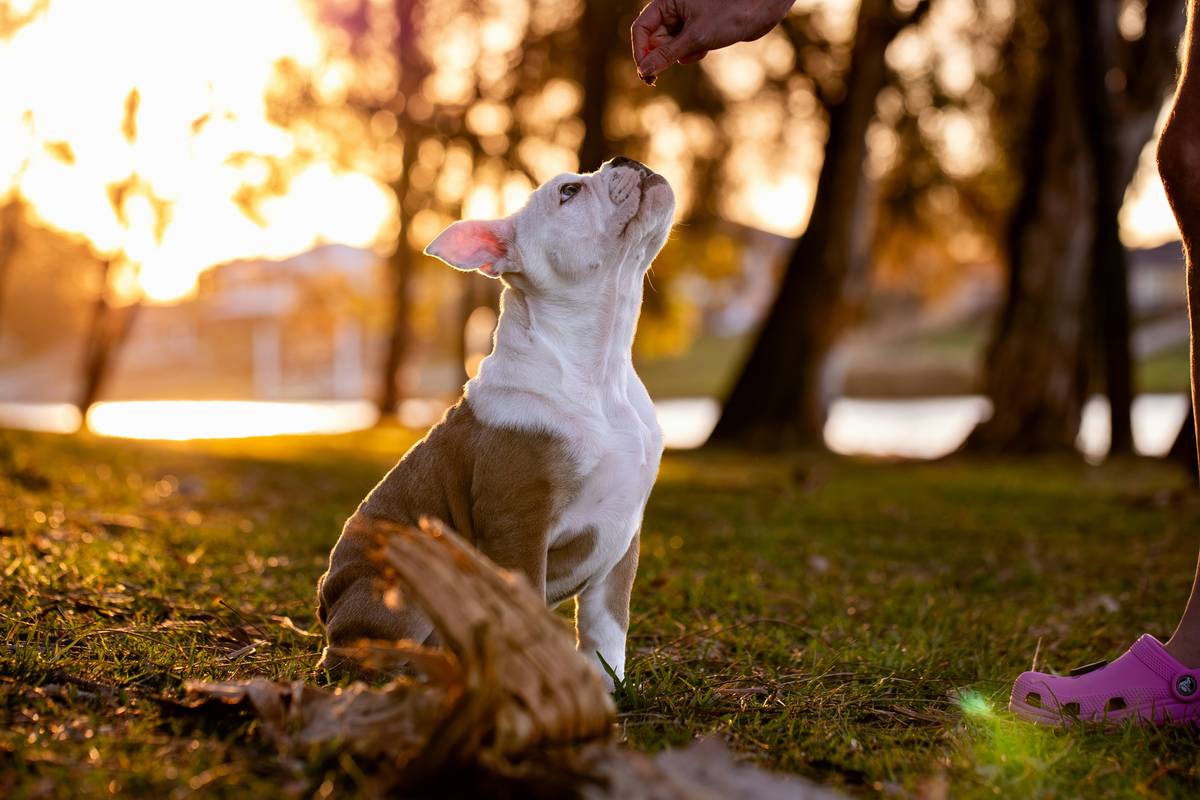
Before leashes enter the picture, teach each dog a rock-solid “watch me” cue inside your living room—with zero distractions. Use high-value treats (think: chicken slivers). Reward eye contact that lasts 3 seconds, then 5, then 10. No pulling. No commands beyond the cue. Just mutual attention. This is your foundation.
Phase 2: Introduce Parallel Leash Work—Not Together Yet
Walk Dog A on-leash while Dog B watches from a mat indoors. Then switch. Keep sessions under 90 seconds. The goal? Each dog learns the walk routine without feeding off the other’s excitement. You’re decoupling their emotional responses early.
Phase 3: Controlled Duo Walks—Start Stationary
Leash both dogs. Stand still in your driveway. Ask for “watch me.” Reward simultaneous focus. If one looks away, stop moving. Wait. Repeat. Motion only happens when both are locked in. Yes—it’s slow. But this builds shared calmness, not just compliance.
| Training Stage | Duration Per Session | Key Metric of Success | Common Pitfall |
|---|---|---|---|
| Individual Engagement (Indoors) | 3–5 minutes | Holds eye contact 8+ seconds with minor distractions | Rushing to outdoor walks too soon |
| Parallel Leash Practice | 2–4 minutes per dog | Dog on mat remains relaxed while partner walks | Letting the observer bark or lunge |
| Stationary Duo Focus | 5–7 minutes | Both dogs maintain eye contact within 3 seconds of cue | Moving forward before full synchronization |
| Moving Group Walks | 8–12 minutes | Zero leash tension for 80% of route | Ignoring micro-lunges as “no big deal” |
The Industry Secret: Train the “Pause Point,” Not Just the Heel
Here’s what most trainers won’t tell you: the real breakthrough in multi-dog walks isn’t perfect positioning—it’s instant reset capability. Top handlers use what I call the **Pause Point**—a 2-second full stop where all dogs must re-establish eye contact before moving again.
Think of it like a circuit breaker. Every 20–30 steps, you halt. Say nothing. Just wait. The moment both dogs look up at you? Click. Treat. Move. This interrupts the snowball effect of distraction escalation. It’s not flashy—but it prevents 90% of group meltdowns before they start. Use it after passing mailboxes, bikes, or squirrels. Make the pause non-negotiable. Over time, dogs begin self-correcting mid-stride.
And no—this isn’t slowing you down. You’ll cover more ground calmly in 15 minutes than you would fighting tangles for half an hour.
FAQ: Focus for Multi-Pet Walks Quick Answers
Can small and large dogs be trained together for group walks?
Yes—but match energy levels, not size. A calm 20-lb terrier can walk beside a gentle 80-lb Lab if both master individual focus first. Never pair high-drive dogs of any size until solo reliability is proven.
How long until I see results with consistent training?
Most owners report noticeable improvement in 10–14 days with daily 10-minute sessions. Full reliability takes 4–6 weeks. Consistency beats duration every time.
Should I use a double leash or two separate leashes?
Two separate 4–6 ft leashes held in a traffic lead grip (one loop over wrist, one in hand). Double leashes transfer pull force—making counter-balancing impossible. Separate leashes give you independent control.