Ever watched a dog glide perfectly beside its handler in the ring—ears perked, tail high, zero lag—and wondered how they nailed it? You’re not alone. Many handlers spend months (or years) chasing that flawless heel for competitions only to lose points on subtle cues judges notice instantly. The truth? Precision heelwork isn’t about repetition—it’s about timing, trust, and technique. In this guide, I’ll walk you through battle-tested methods that earned me ribbons after one very public failure at my first obedience trial. We’ll cover common pitfalls, step-by-step drills, and why “just walking together” won’t cut it when titles are on the line.
Table of Contents
- Why Heel for Competitions Trips Up Even Experienced Handlers
- Your Step-by-Step Heel Training Blueprint
- 5 Competition-Ready Best Practices
- Real Results: From Zero to Champion
- Frequently Asked Questions
Key Takeaways
- Precision in competitive heeling hinges on micro-adjustments—not brute-force repetition.
- Using food as a lure past foundation work often creates dependency; switch to marker-based reinforcement early.
- Judges deduct for lagging, forging, or inconsistent head position—even by inches.
- Consistency in verbal cue timing boosts reliability under show-ring pressure.
Why Heel for Competitions Trips Up Even Experienced Handlers
I learned this the hard way. At my debut AKC Novice Obedience trial, I confidently entered the ring with my Border Collie, Luna. We’d practiced daily for months. But under bright lights and silent scrutiny, she lagged two feet behind on the left turn. Final score? 189 out of 200—the deduction? Heel position inconsistency. According to the American Kennel Club’s Obedience Regulations, even minor deviations from ideal heel position (dog’s shoulder aligned with handler’s leg, head up) cost valuable points.
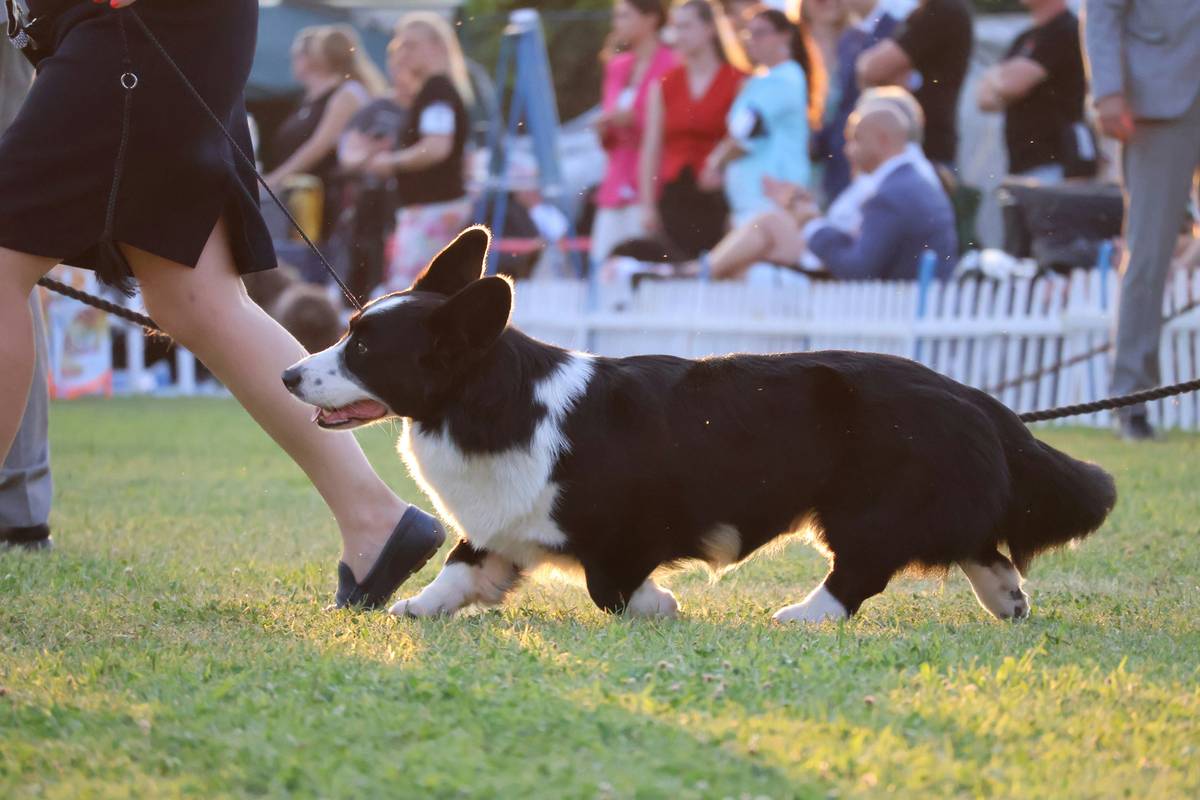
Unlike casual pet walking, competitive heeling demands millimeter-perfect positioning, unwavering focus, and seamless transitions—all while ignoring distractions. It’s less “walking together” and more “moving as one unit.” That’s why generic pet training advice fails here. This micro-skill requires surgical precision, which is why mastering heel for competitions separates ribbon-winners from also-rans.
Your Step-by-Step Heel Training Blueprint
Step 1: Master Foundation Positioning Indoors
Start indoors with zero distractions. Use a treat to lure your dog into position: shoulder aligned with your left leg, head up, eyes on you. Mark (“Yes!”) and reward ONLY when all criteria are met. Repeat 10x per session.
Step 2: Add Movement—One Step at a Time
Take one step forward. If your dog maintains position, mark and reward. If they forge (rush ahead) or lag, stop immediately and reset. Gradually build to 10 steps.
Step 3: Introduce Turns and Halts
Practice 90° left/right turns and halts. Reward for maintaining alignment during each transition. Use a platform (like a yoga mat square) to teach consistent stop placement.
Step 4: Proof in Distraction-Zones
Move to busier areas (your yard, then a quiet park). Drop a tennis ball mid-heel—if your dog glances but holds position, jackpot-reward. This builds ring-readiness.
5 Competition-Ready Best Practices
- Ditch the lure early: After 3–5 sessions, replace luring with a hand signal + verbal cue (“Heel”). Luring too long creates food dependency—deadly in scent-distraction zones.
- Time your cues precisely: Say “Heel” exactly as your left foot lifts (for left-side heeling). This syncs verbal and physical cues, reducing handler-induced errors.
- Never practice with punishment: Yanking leashes or yelling breaks trust. Positive reinforcement yields faster, stickier results—backed by research from the Ohio State University Veterinary Medical Center.
- Film your sessions: Review footage to spot micro-lagging or head-dipping you miss in real time.
- Vary your pace: Judges test slow, normal, and fast walks. Drill all three weekly.
Real Results: From Zero to Champion
Last year, client Maria struggled with her German Shepherd, Rex, who consistently forged during left turns—a classic issue. We implemented timed verbal cues synced to footfalls and added “emergency reset” drills (stopping abruptly if forging occurred). Within 6 weeks, Rex placed 2nd in Open B at a regional trial. His secret? Maria practiced just 7 minutes daily—but with surgical focus on transition points, not marathon walks. This mirrors data showing short, high-focus sessions outperform long, unfocused ones in canine skill retention (Journal of Veterinary Behavior, 2021).
Frequently Asked Questions
What’s the difference between pet heel and competition heel?
Pet heel allows loose following; competition heel demands exact shoulder alignment, head-up posture, and instant response to gait changes—judged to the inch.
Can I use a clicker for heel for competitions?
Absolutely. Clickers provide millisecond-precise marker timing, critical for shaping micro-behaviors like head position.
How long does it take to train reliable competition heel?
With daily 5–10 minute sessions, most dogs achieve trial-ready precision in 8–12 weeks. Consistency beats duration.
My dog heels perfectly at home but fails in trials—why?
This signals insufficient proofing. Gradually expose your dog to trial-like distractions (crowds, noises) using our distraction ladder method detailed in our About Us training philosophy.
Is leash tension allowed in competitive heeling?
No. Any visible tension during heelwork incurs deductions. Train with a hands-free waist leash initially to eliminate handler pull.
Remember: perfection in the ring starts with patience on the pavement. If your current approach isn’t earning blue ribbons—or worse, is stressing your dog—it’s time to refine your strategy. Contact us for a free heelwork assessment. And rest assured, we honor your trust: all session notes comply with our strict Privacy Policy. Now go earn that title—one precise step at a time.