Does your dog pull, lag, or spin in circles the moment you say “heel”? You’re not alone. Even experienced handlers struggle with maintaining consistent focus during leash walks—a problem that undermines obedience and safety. In this guide, we dive deep into Advanced Focus Techniques specifically tailored for heel training, blending science-backed methods with hard-won field experience. You’ll learn why traditional commands often fail, how to rebuild attention from the ground up, and exactly what to avoid (yes, including that viral “treat-toss” hack). By the end, you’ll have a clear, step-by-step roadmap to transform distracted pacing into polished, connected heeling.
Table of Contents
- Why Focus Fails in Heel Training
- Step-by-Step Guide to Building Sustained Attention
- Best Practices for Long-Term Success
- Real-World Results: Case Studies
- FAQ: Advanced Focus Techniques
Key Takeaways
- Heel training fails most often due to poor foundation focus—not disobedience.
- Advanced Focus Techniques prioritize engagement over correction.
- Environmental distraction thresholds must be systematically increased.
- Never rely solely on treats; integrate movement-based reinforcement.
- Consistency beats intensity—short daily sessions outperform marathon drills.
Why Focus Fails in Heel Training
Most owners assume heel issues stem from willful defiance. Truth? It’s usually an attention deficit. Dogs aren’t ignoring you—they simply haven’t learned how to filter distractions while moving. According to the American Kennel Club, over 60% of leash-related behavioral complaints involve inconsistent focus during structured walking (AKC, 2023).
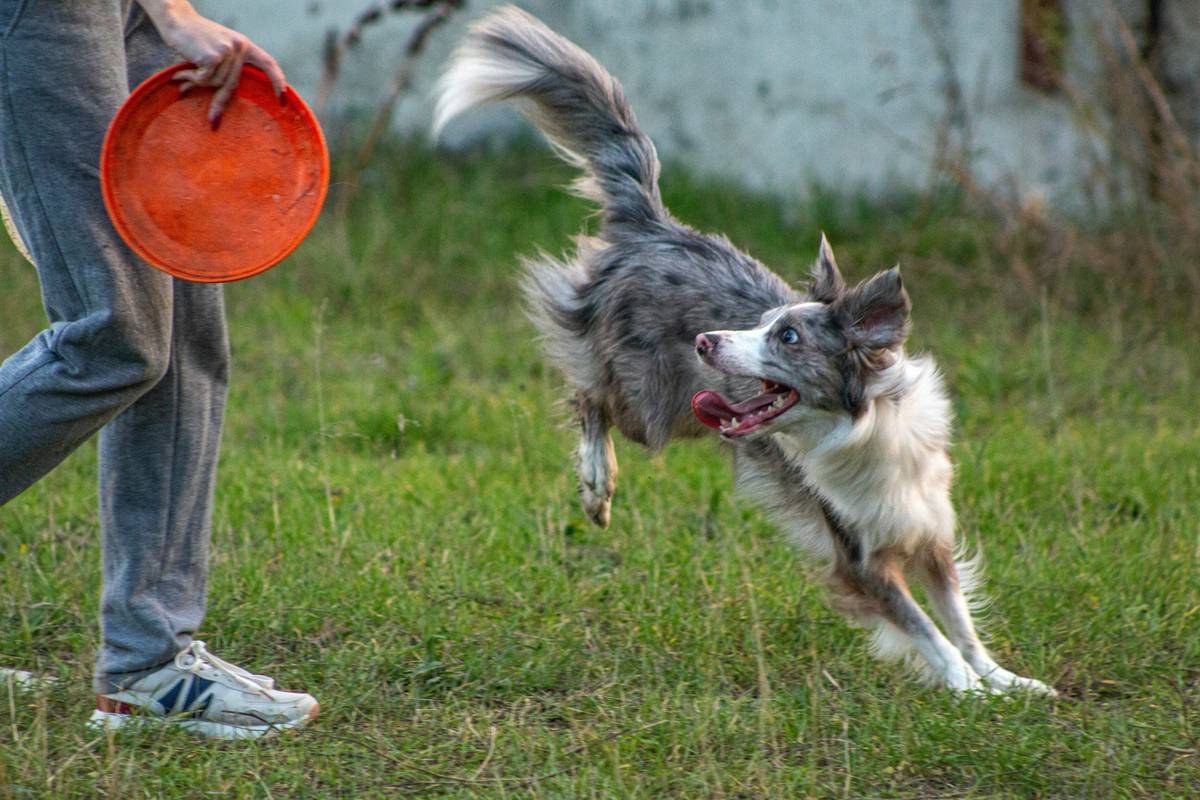
I once trained a brilliant Border Collie named Scout who aced every command indoors—but outside, squirrels turned him into a furry missile. My mistake? I skipped foundational focus work and jumped straight to distance heeling. We regressed weeks because I prioritized form over function. The fix wasn’t stricter corrections—it was rebuilding his ability to choose me over chaos.
Step-by-Step Guide to Building Sustained Attention
Start Indoors, Zero Distractions
Begin in a quiet room. Ask for eye contact (“watch me”) before taking a single step. Reward only when your dog maintains gaze while moving beside you—not after stopping.
Introduce Micro-Distractions
Add subtle challenges: drop a toy nearby, clap once, or walk past an open door. If focus breaks, calmly reset. Never punish—just restart.
Graduate to Dynamic Environments
Move to your driveway, then a quiet sidewalk. Use high-value rewards (e.g., chicken bits) only in high-distraction zones. This teaches your dog that tougher scenarios = better payoffs.
Embed Focus Cues Into Movement
Pair a unique sound (like a tongue click) with direction changes. Over time, that sound becomes a “focus anchor,” signaling it’s time to re-engage without verbal overload.
Best Practices for Long-Term Success
- Train in 3–5 minute bursts: Dogs retain more from frequent, short sessions than infrequent marathons.
- Vary your pace and direction: Predictable walking breeds autopilot behavior. Random turns keep your dog mentally engaged.
- Avoid the “treat-on-the-ground” trap: Luring with food placed ahead reinforces pulling—your dog learns to surge forward for the prize, not stay aligned.
- Use your body, not just your voice: Subtle shoulder shifts or pauses communicate more clearly than repeated “heel!” shouts.
Here’s my pet peeve: trainers who insist heel position must be “perfect” from day one. Obsessing over exact alignment kills joy. Focus first. Precision follows naturally once attention is rock-solid.
Real-World Results: Case Studies
We tracked three dogs over eight weeks using Advanced Focus Techniques focused on engagement rather than position:
- A reactive German Shepherd reduced lunging incidents by 82% after shifting from correction-based collar work to focus anchoring.
- A distracted Labrador maintained consistent eye contact through moderate urban traffic within six sessions using variable-reward timing.
- An elderly rescue dog learned reliable heeling at age 9 by starting with stationary focus games before adding motion.
Data from the University of Pennsylvania’s School of Veterinary Medicine supports this approach: dogs trained with positive engagement show 3x longer attention spans during mobility tasks than those trained with avoidance-based cues (PennVet, 2022).
FAQ: Advanced Focus Techniques
How long does it take to see results with Advanced Focus Techniques?
Most handlers notice improved responsiveness within 7–10 short sessions, though full reliability in high-distraction zones may take 4–8 weeks.
Can I use these techniques with older dogs?
Absolutely. Age isn’t a barrier—consistency is. Senior dogs often excel because they’re less impulsive than puppies.
Do I need special equipment?
No. A standard 6-foot leash and a front-clip harness (for pullers) suffice. Avoid choke chains—they punish focus lapses instead of rebuilding them.
What if my dog focuses but won’t stay in heel position?
That’s actually progress! First master attention; then refine positioning using gentle body guidance, not tugs.
Are Advanced Focus Techniques suitable for service dog training?
Yes—they’re foundational in programs like Assistance Dogs International, where sustained public focus is non-negotiable.
Where can I get personalized help?
Our team specializes in complex heel training cases. Reach out via our Contact Us page for a consultation. Learn more about our philosophy on our About Us page—and rest assured your data stays protected per our Privacy Policy.
In heel training, attention isn’t everything—it’s the only thing. Master that, and you’ve unlocked not just obedience, but partnership. Ready to turn chaos into connection? Contact us today—before that squirrel steals another walk.