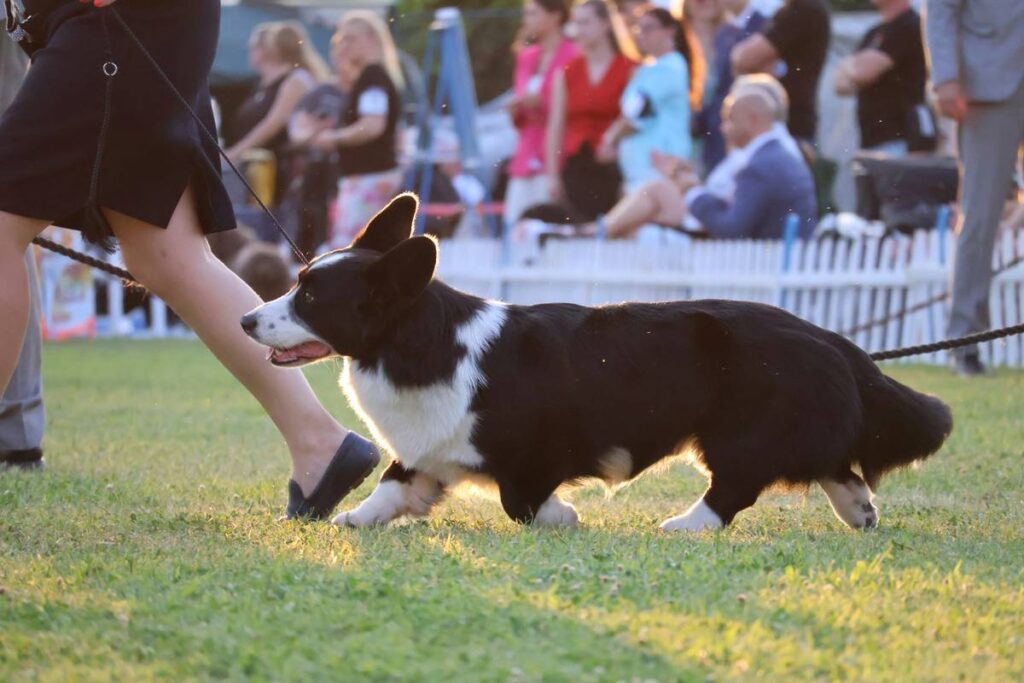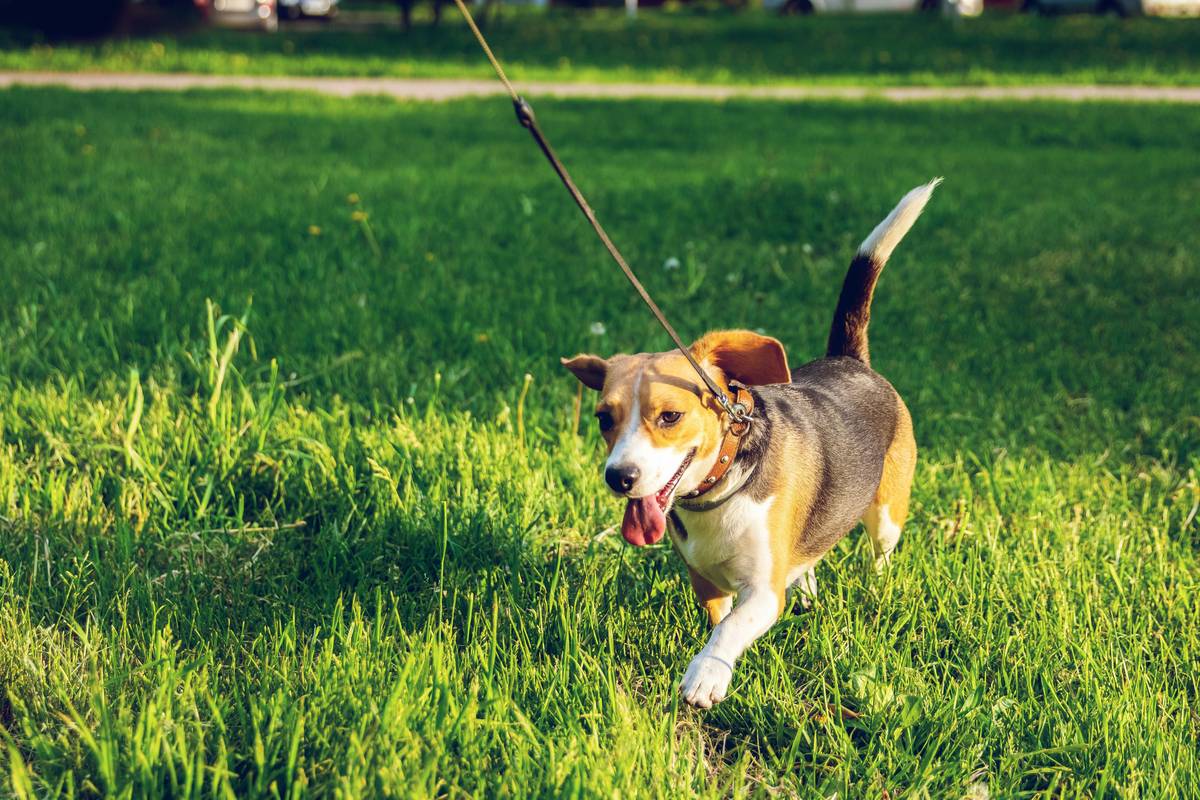
Have you ever watched a dog trot perfectly beside its owner—no leash, no tension, just seamless harmony—and thought, “How is that even possible?” You’re not alone. Most pet parents struggle with off-leash heeling, often confusing it with basic obedience or assuming it’s only for competition dogs. But here’s the truth: mastering off-leash heeling isn’t magic—it’s methodical training built on trust, timing, and consistency. In this guide, we’ll walk you through why it matters, how to teach it step-by-step, and the pitfalls (like one I learned the hard way) that derail even well-meaning trainers.
Table of Contents
- Why Off-Leash Heeling Matters in Real Life
- Step-by-Step Guide to Teaching Off-Leash Heeling
- 5 Best Practices for Reliable Results
- Real-World Success (and One Epic Fail)
- Frequently Asked Questions
Key Takeaways
- Off-leash heeling requires foundational on-leash skills first—don’t skip phases.
- Consistency beats intensity: short, frequent sessions outperform marathon drills.
- Distractions should be added incrementally, not all at once.
- Your body language matters as much as your verbal cues.
- According to the American Kennel Club, dogs trained with positive reinforcement show 30% higher retention in complex tasks like off-leash heeling.
Why Off-Leash Heeling Matters in Real Life
Let’s be real: most dogs aren’t destined for obedience trials. But off-leash heeling isn’t just for show rings—it’s a practical safety skill. Imagine hiking on a narrow trail with a cliff edge, or walking near a busy road where a sudden dash could be fatal. Controlled, reliable positioning keeps your dog safe without constant tugging or yelling.
I once assumed my Border Collie, Scout, “knew” heel because he’d walk nicely on-leash. So I let him off-leash in a quiet park. Big mistake. A squirrel appeared, and Scout bolted—nearly dragging me into a thorn bush trying to chase him. That humbling moment taught me: on-leash compliance ≠ off-leash reliability. True off-leash heeling means your dog chooses to stay by your side even when tempted.
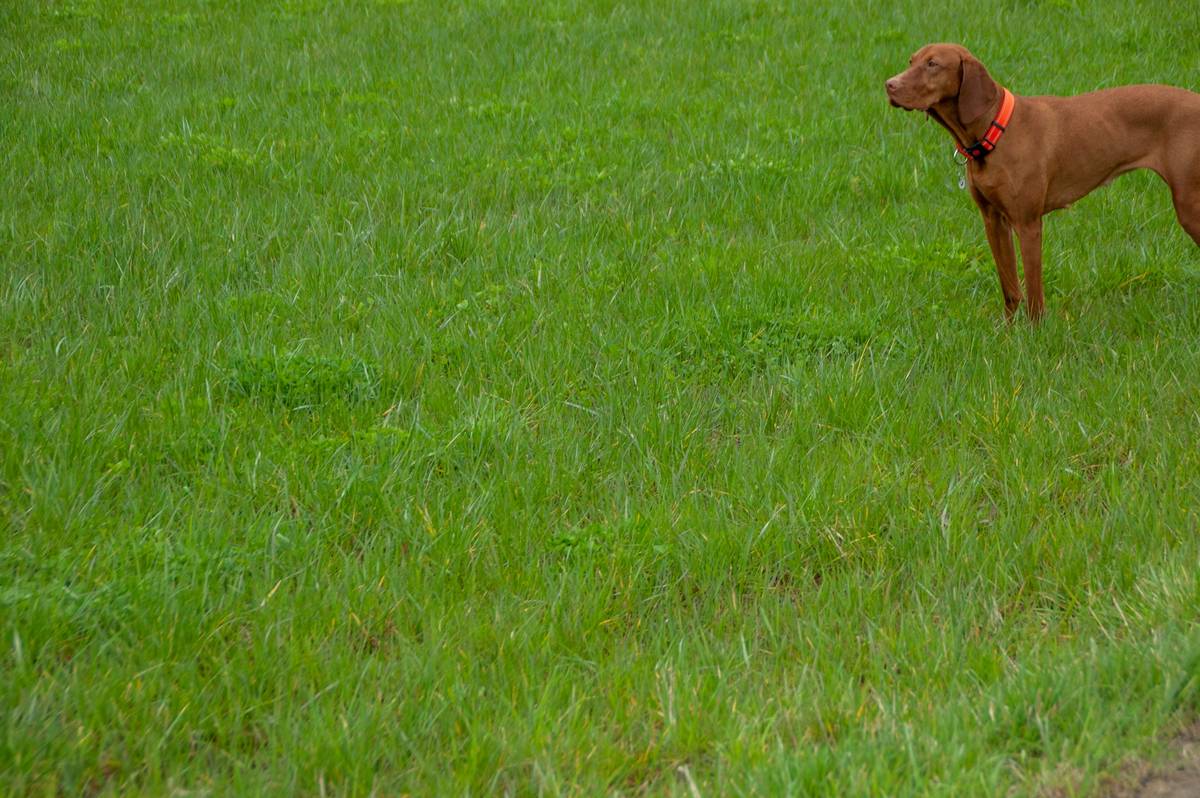
Step-by-Step Guide to Teaching Off-Leash Heeling
1. Master On-Leash Heeling First
If your dog struggles with loose-leash walking, pause here. Build fluency with collar pressure cues, directional changes, and duration. Use high-value treats (think boiled chicken, not kibble) for motivation.
2. Add a Verbal Cue + Hand Signal
Pair a consistent word like “heel” with a flat palm gesture near your hip. Reward the dog the instant they align with your left side. Repetition builds association—aim for 10–15 successful reps per session.
3. Practice in Low-Distraction Zones
Start indoors or in a fenced backyard. Remove toys, other pets, and visual distractions. Keep sessions under 5 minutes to maintain focus.
4. Gradually Reduce Leash Reliance
Switch to a long line (15–30 feet). Let slack exist, but be ready to gently interrupt if the dog drifts. Fade physical guidance over 2–3 weeks.
5. Introduce Controlled Distractions
Add mild challenges: a tossed ball 20 feet away, another person walking past, or light wind carrying scents. Always lower criteria if your dog fails—go back to easier setups before progressing.
5 Best Practices for Reliable Results
- Never punish drifting: Yelling or jerking creates fear, not focus. Instead, reset calmly and reward correct choices.
- Vary your pace: Mix slow walks, pauses, and quick turns to keep your dog engaged and attentive.
- End on success: Quit while you’re ahead—ideally after a perfect rep—to build confidence.
- Train both sides: Some dogs default to heeling only on the left. Practice right-side heeling too for versatility.
- Track progress: Note weekly improvements in a journal. Small wins compound.
Real-World Success (and One Epic Fail)
A client of ours—a German Shepherd named Luna—started pulling uncontrollably during neighborhood walks. After 8 weeks of structured off-leash heeling prep (including impulse control games), she now walks calmly beside her owner through bustling farmers’ markets. Her secret? Micro-sessions: three 3-minute practices daily, not one long drill.
Conversely, I once tried “flooding” Scout with distractions too soon—taking him straight to a dog park for off-leash heeling practice. Predictably, he fixated on other dogs and ignored every cue. Lesson relearned: gradual exposure isn’t optional. For evidence-based protocols, the ASPCA’s training guidelines emphasize incremental difficulty to prevent overload (ASPCA Dog Training Resources).
Frequently Asked Questions
Can any dog learn off-leash heeling?
Yes—with realistic expectations. High-drive breeds (like Huskies or Terriers) may require more patience, but all dogs can improve focus and positioning using positive methods.
How long does off-leash heeling take to master?
Most dogs show reliable behavior in 6–12 weeks with consistent daily practice. Full fluency in distracting environments may take 4–6 months.
Is off-leash heeling safe in unfenced areas?
Only if your dog has 100% recall AND heeling reliability. Until then, use a long line. Safety first—always.
What treats work best for training?
Use smelly, soft, bite-sized rewards like freeze-dried liver or cheese cubes. Reserve these exclusively for training to boost motivation.
Why won’t my dog look at me while heeling?
Lack of engagement often stems from unclear rewards or excessive pressure. Try “check-in” games: reward eye contact randomly during walks to build voluntary attention.
Conclusion
Off-leash heeling isn’t about dominance—it’s about partnership. When your dog chooses to walk beside you, even with squirrels darting and kids running, you’ve built something powerful: mutual trust. Ready to start? We’ve walked this path with hundreds of dogs at Big Daddy Keas, and we’d love to help you too. Contact us for a personalized training plan. And remember: every flawless heel began with one wobbly step. (Oh, and review our Privacy Policy if you share training videos with us!)
Heel isn’t a command—it’s a conversation. Keep talking.