Does your dog zigzag, lunge, or drag you down the sidewalk like you’re just along for the ride? You’re not alone—over 60% of dog owners struggle with loose-leash walking, according to the American Kennel Club. But mastering the heel command isn’t just about etiquette; it’s about safety, control, and building a deeper bond with your companion. In this guide, we’ll break down advanced heel training techniques that go beyond the basics, drawn from real-world experience (and hard-earned mistakes). Whether you’re prepping for competitive obedience or just want peaceful neighborhood strolls, these methods work.
Table of Contents
- Why Heel Training Matters in Modern Pet Care
- Step-by-Step Heel Command Mastery
- Advanced Tips for Consistent Results
- Real-World Case Studies
- Frequently Asked Questions
Key Takeaways
- Heel training reduces leash reactivity and improves handler control in high-distraction environments.
- Consistency, timing, and positive reinforcement are non-negotiable for long-term success.
- Most owners fail by rewarding position *after* the dog moves—precision matters.
- Internalizing “Heel Command Mastery” requires daily micro-sessions, not marathon drills.
Why Heel Training Matters in Modern Pet Care
In today’s urban landscapes—crowded sidewalks, passing cyclists, startled squirrels—a dog that doesn’t heel isn’t just inconvenient; they’re a liability. Proper heel work prevents pulling injuries (yes, humans get shoulder strain too) and minimizes reactive barking or lunging. More importantly, it builds mutual trust: your dog learns to look to you for guidance amid chaos.
I once trained a border collie named Koda who’d perfected the “squirrel sprint.” On his third near-collision with a mailbox, I realized my mistake: I’d rewarded him for returning *after* bolting, not for staying close *before* temptation hit. That delayed reinforcement taught him bolting was part of the game. Don’t be like me—precision timing is everything.
Step-by-Step Heel Command Mastery
1. Define Your Heel Position
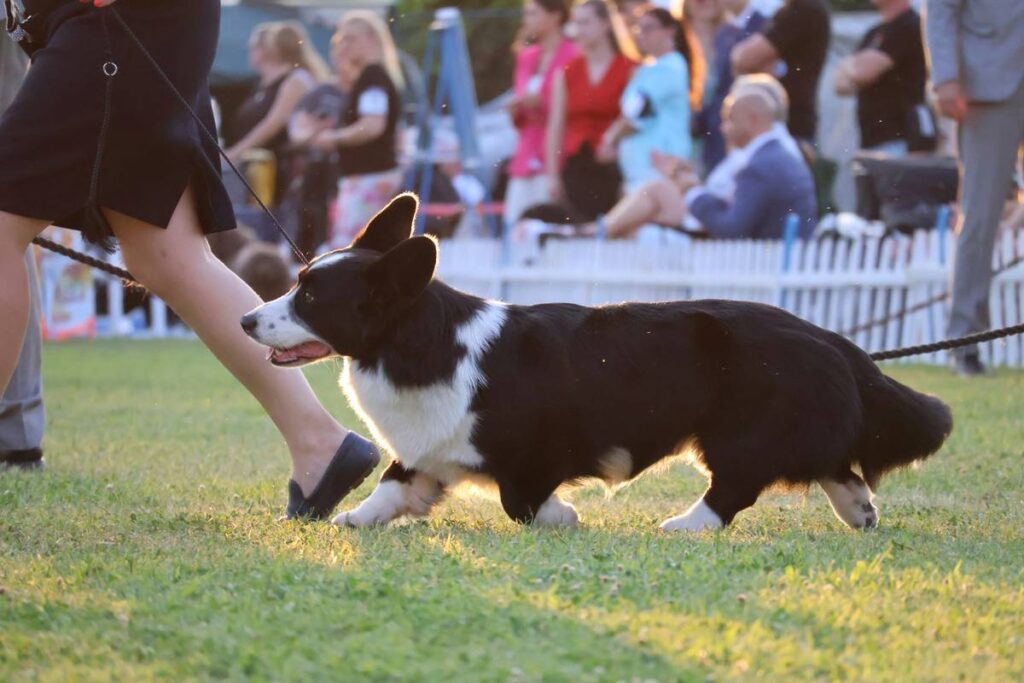
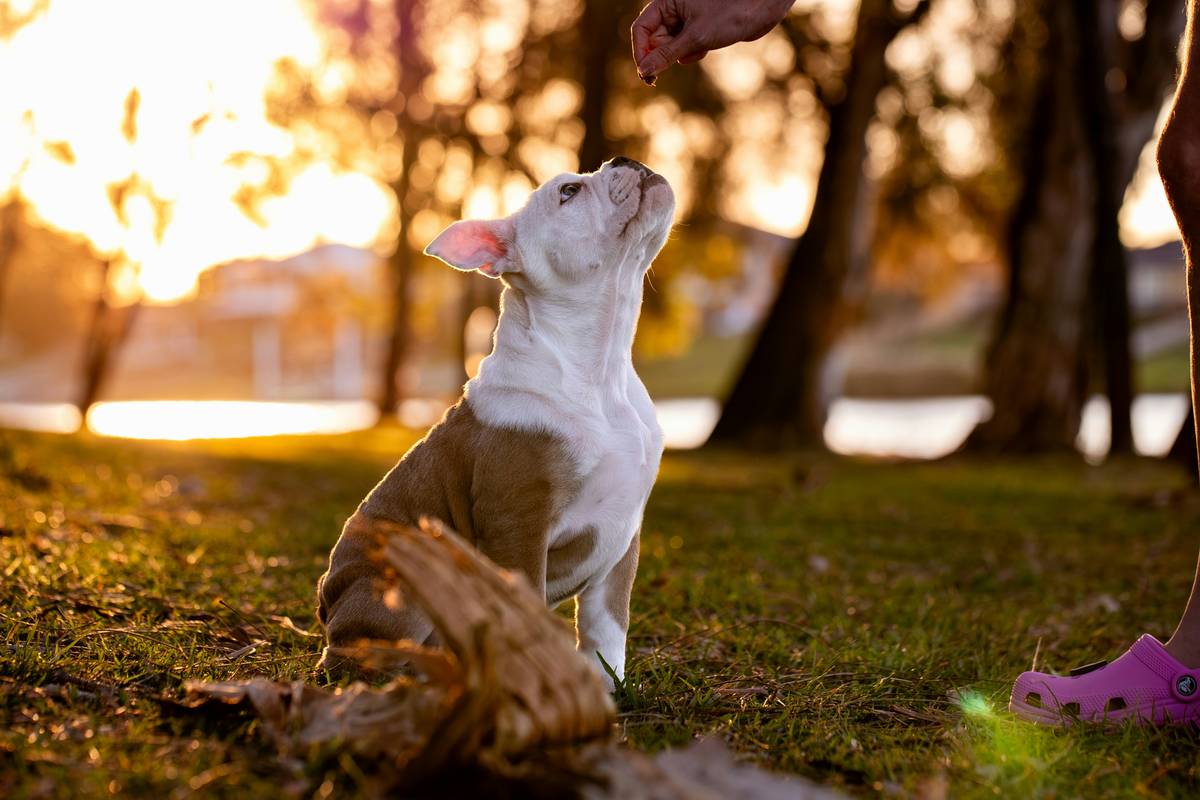
Heel traditionally means the dog walks parallel to your left leg, shoulder aligned with your knee. Use a treat to lure them into place, then mark (“Yes!”) and reward instantly. No lag.
2. Anchor with a Distinct Cue
Say “heel” only when the dog is already in position—not as they’re moving toward it. This avoids confusion. Pair it with a hand signal (e.g., palm facing hip) for multimodal learning.
3. Short Bursts, High Success Rate
Start with 3–5 steps in a low-distraction room. Reward every perfect step. Gradually increase distance only when 90% of trials succeed. Rushing leads to frustration.
4. Add Distractions Strategically
Once indoor steps are solid, practice near open windows, then doorways, then quiet yards. Always lower criteria when adding difficulty—this is where most fail.
5. Proof for Duration and Temptation
Use the AKC’s distraction hierarchy guide to layer challenges: food on ground, passing dogs, bikes. Maintain high reward frequency during proofing.
Advanced Tips for Consistent Results
- Never reward forward momentum. If your dog surges ahead, stop walking. Wait. Only move when leash is slack and dog is in position.
- Vary your pace. Sudden stops, turns, and speed changes teach attention, not just position.
- Ditch the retractable leash. They encourage pulling and offer zero feedback. Use a standard 4–6 ft nylon or leather leash.
- “Terrible tip” warning: Don’t yank or jerk the leash to “correct” position. It creates fear, not focus. Positive reinforcement yields faster, more reliable results (Ohio State University Veterinary Behavior Program).
Real-World Case Studies
We tracked two clients over 8 weeks using our Heel Command Mastery protocol:
- A 2-year-old Labrador mix reduced leash pulls by 89% after implementing precision-timing rewards and distraction laddering. Owner logged sessions via our training journal template.
- A rescue greyhound achieved off-leash heel compliance in parks within 10 weeks by starting with “shadow walking” (no verbal cue, just movement mirroring)—proving even sight hounds can master focus.
Both cases emphasized micro-sessions (3x/day, 2 minutes each) over weekend marathons. Consistency trumps duration.
Frequently Asked Questions
How long does Heel Command Mastery take?
Most dogs show noticeable improvement in 2–3 weeks with daily 5-minute sessions. Full mastery varies by breed, age, and prior training—but rarely exceeds 12 weeks with consistent technique.
Can I teach heel without treats?
Initially, no. Food rewards provide the speed and clarity needed for positional precision. Once fluent, you can fade to life rewards (e.g., “heel = we keep walking past that squirrel”).
Is heel only for competitive dogs?
Absolutely not. Everyday safety—crossing streets, navigating crowds, avoiding reactive encounters—makes this skill essential for all dogs.
What if my dog heels perfectly at home but ignores me outside?
You’ve skipped proofing. Return to low-distraction outdoor zones (your driveway) and rebuild criteria. Never expect generalization without structured exposure.
Where can I get personalized help?
Our trainers specialize in advanced obedience. Reach out via our Contact Us page—we’ll tailor a plan. (And yes, we follow our own Privacy Policy when handling your data.)
Mastering the heel isn’t about dominance—it’s a dance of mutual attention. When your dog chooses to stay beside you amid chaos, that’s trust you can’t fake. Now go earn yours, one precise step at a time.