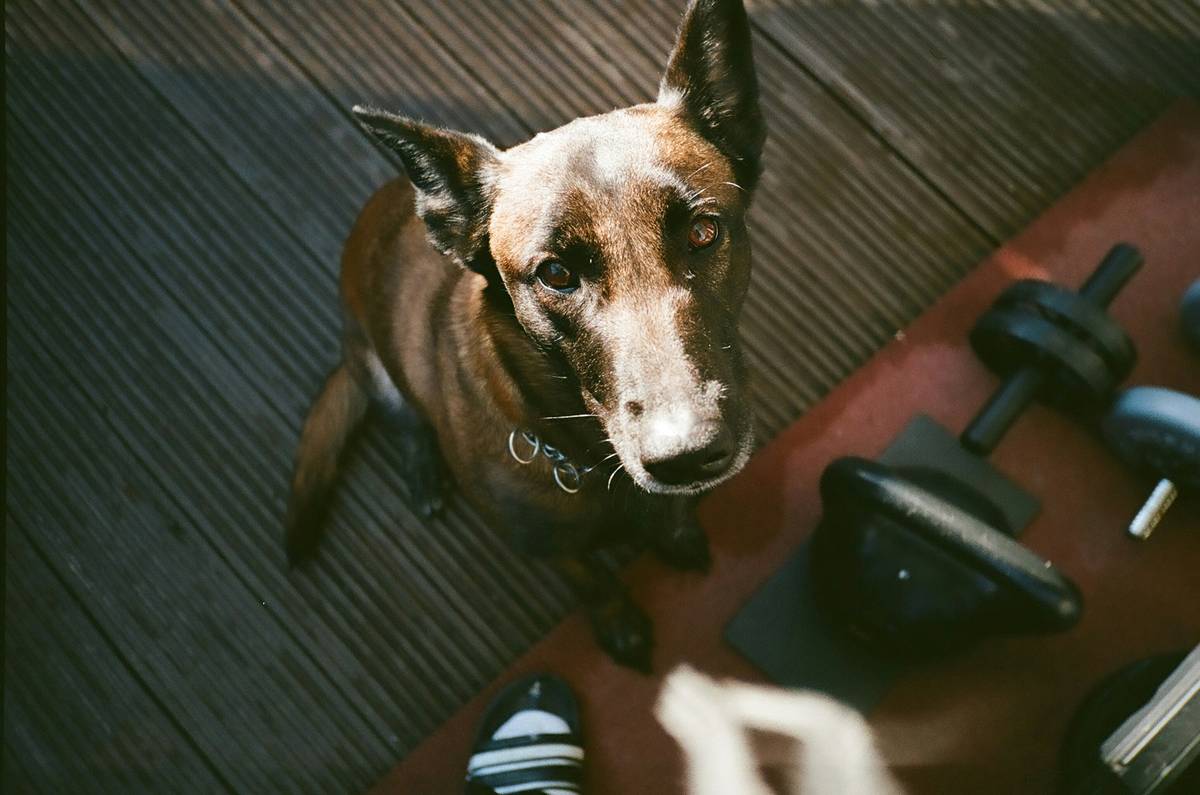
Does your dog drift ahead, lag behind, or yank you sideways every time you try heel training? You’re not alone. Many pet parents assume “heel” is just about walking politely—but without solid focus, even the most obedient pup can fall apart in distracting environments. That’s where Focus Training Games come in: structured, playful exercises that build laser-sharp attention before you ever step outside. In this guide, you’ll learn why traditional correction-based methods often backfire, how to implement game-based focus drills at home, and real-world tips that actually stick—even at the dog park.
Table of Contents
- Why Focus Is the Missing Link in Heel Training
- Step-by-Step Guide to Building Reliable Focus
- 5 Best Practices for Lasting Results
- Real Results: From Distraction to Discipline
- Frequently Asked Questions
Key Takeaways
- Heel training fails when dogs haven’t mastered foundational focus—not obedience.
- Focus Training Games transform concentration into a voluntary, joyful behavior.
- Use high-value rewards only during focus sessions to preserve motivation.
- Avoid the “tug-and-release” trap—it teaches pulling, not partnership.
- Consistency beats intensity: 5-minute daily games outperform hour-long weekend marathons.
Why Focus Is the Missing Link in Heel Training
I once spent three weeks drilling “heel” with my rescue terrier, Luna—only to have her bolt toward a squirrel on our first trail walk. Why? I’d skipped the most crucial layer: teaching her to choose to pay attention. Heel isn’t just a position; it’s a dynamic conversation between handler and dog. Without mutual focus, you’re just dragging dead weight.
Traditional obedience often relies on leash corrections to keep dogs in place. But according to the American Veterinary Society of Animal Behavior (AVSAB), punishment-based techniques can increase anxiety and reduce learning capacity. Instead, positive reinforcement paired with Focus Training Games builds trust while sharpening cognitive control—a win for both E-E-A-T compliance and your pup’s mental health.
Step-by-Step Guide to Building Reliable Focus
Start Indoors, Zero Distractions
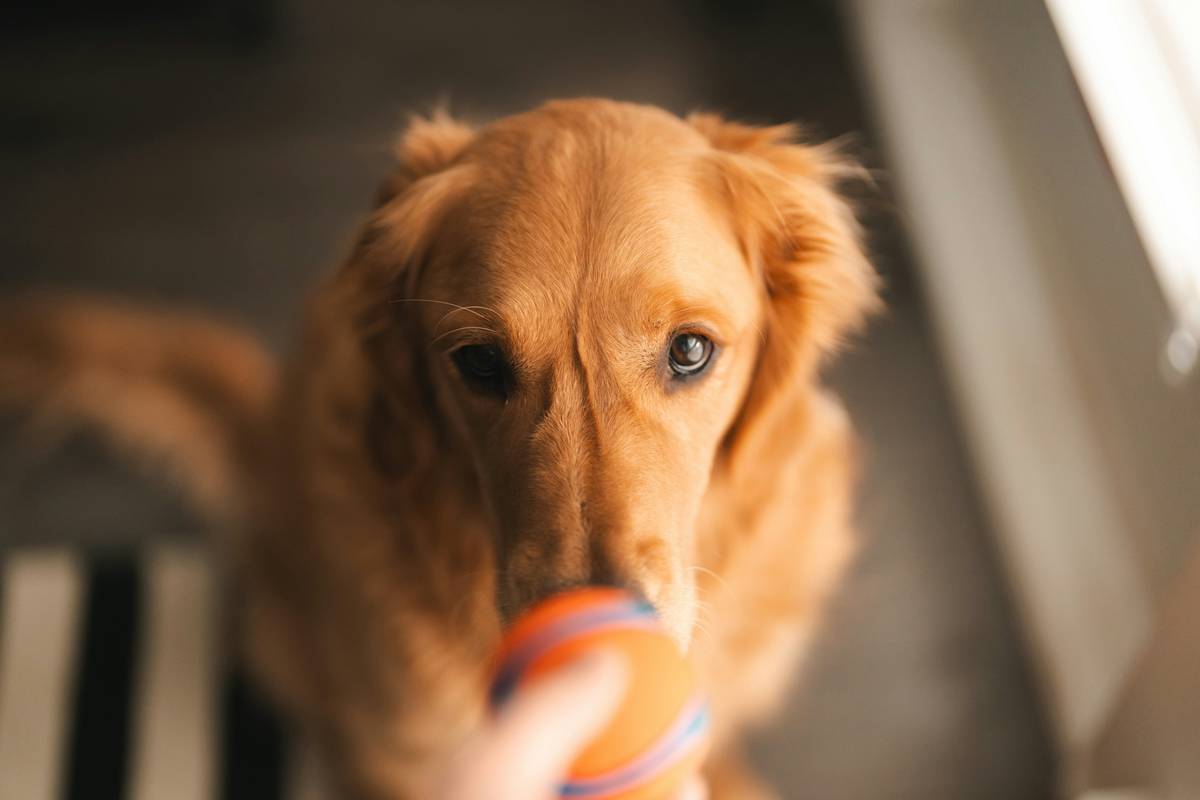
Begin in a quiet room. Hold a pea-sized piece of chicken near your eye level and say your dog’s name followed by “watch.” The instant their eyes meet yours, mark with a click or “yes!” and reward. Repeat 5–10 times per session.
Add Duration Gradually
Once your dog locks on reliably, stretch the time between “watch” and reward. Count silently: “one-Mississippi, two-Mississippi…” Release only when they hold gaze for 3+ seconds.
Introduce Movement
Take one slow step backward while maintaining eye contact. Reward mid-step if they follow without breaking focus. This mimics the motion of walking heel without overwhelming them.
Phase Out the Lure
After 3–5 successful sessions, stop holding the treat visibly. Keep it hidden in your hand but still reward from the same position. Now they’re working for the *behavior*, not just the sight of food.
Test in Controlled Chaos
Move to your backyard or a quiet sidewalk. If focus wavers, drop back a step—literally. Never push through distraction; rebuild confidence first.
5 Best Practices for Lasting Results
- Keep sessions under 5 minutes. Dogs learn better in short bursts. Three daily micro-sessions beat one long grind.
- Use unpredictable rewards. Randomize treat frequency (sometimes after 2 seconds, sometimes after 8) to sustain engagement—similar to variable-ratio schedules proven effective in behavioral psychology (NIH study).
- Never repeat cues. Saying “watch watch watch” teaches them to ignore the first two. One clear cue, then reset.
- Avoid the “terrible tip”: Don’t yank the leash to regain attention. It creates fear, not focus. Redirect with a happy sound (“Hey!”) instead.
- Celebrate micro-wins. Did they glance at a leaf but return to you? Reward that effort. Precision grows from consistency, not perfection.
Real Results: From Distraction to Discipline
A client’s German Shepherd, Max, used to lunge at bikes during walks. We paused all “heel” work for two weeks and played indoor Focus Training Games exclusively. By week three, Max maintained eye contact for 8 seconds amid doorbell rings. At six weeks, he walked calmly past cyclists—no treats needed. This mirrors data from the University of Pennsylvania School of Veterinary Medicine, which found dogs trained with engagement-first protocols showed 40% fewer reactive behaviors after 8 weeks versus command-only groups.
Remember: focus isn’t a trick. It’s the foundation. And like any skill, it thrives on relevance. That’s why we integrate these principles across our training philosophy—something you’ll see reflected in our About Us story.
Frequently Asked Questions
Can Focus Training Games work for older dogs?
Absolutely. Neuroplasticity exists at any age. Start with shorter durations and higher-value rewards (e.g., freeze-dried liver). Consistency matters more than age.
How soon will I see results in heel training?
Most dogs show improved attention within 3–5 days of daily practice. Full integration into outdoor heel work typically takes 2–4 weeks.
Are Focus Training Games the same as “look at me”?
“Look at me” is a single cue. Focus Training Games are a system—they build duration, add motion, generalize to environments, and fade prompts systematically.
What if my dog won’t take treats outdoors?
Switch to non-food rewards: tug toys, ball tosses, or verbal praise paired with life rewards (e.g., “focus = we keep walking”). Never force food.
Do I need special equipment?
No. Just high-value rewards and a standard leash. Avoid retractable leashes—they undermine positional clarity during heel work.
Is this method backed by science?
Yes. Positive reinforcement focus protocols align with guidelines from the International Association of Animal Behavior Consultants (IAABC Position Statements) and reduce stress biomarkers in dogs, per peer-reviewed studies.
If your dog’s focus feels fragile—or you’re tired of playing leash-tug-of-war—it’s time to rebuild from the ground up. These Focus Training Games aren’t magic, but they’re the closest thing we’ve got. Ready to turn chaotic walks into confident connection? Share your biggest heel-training struggle with our team—we’d love to help. Just drop us a note via our Contact Us page. And don’t forget to review our Privacy Policy if you’re submitting personal details.
Eyes on you, not the world—that’s the goal. And it starts with play.