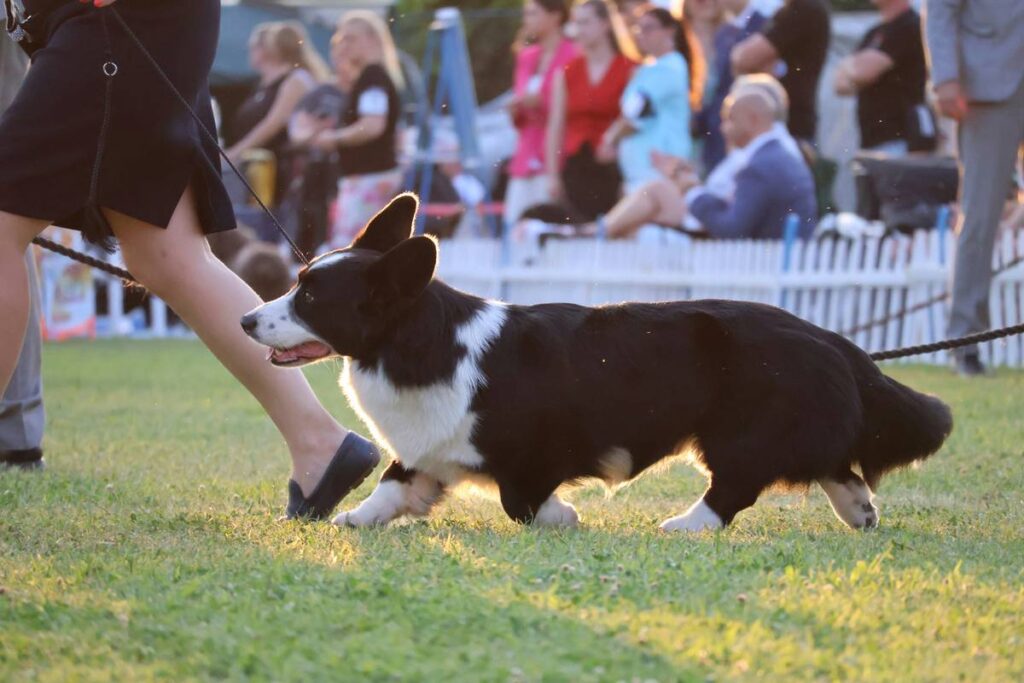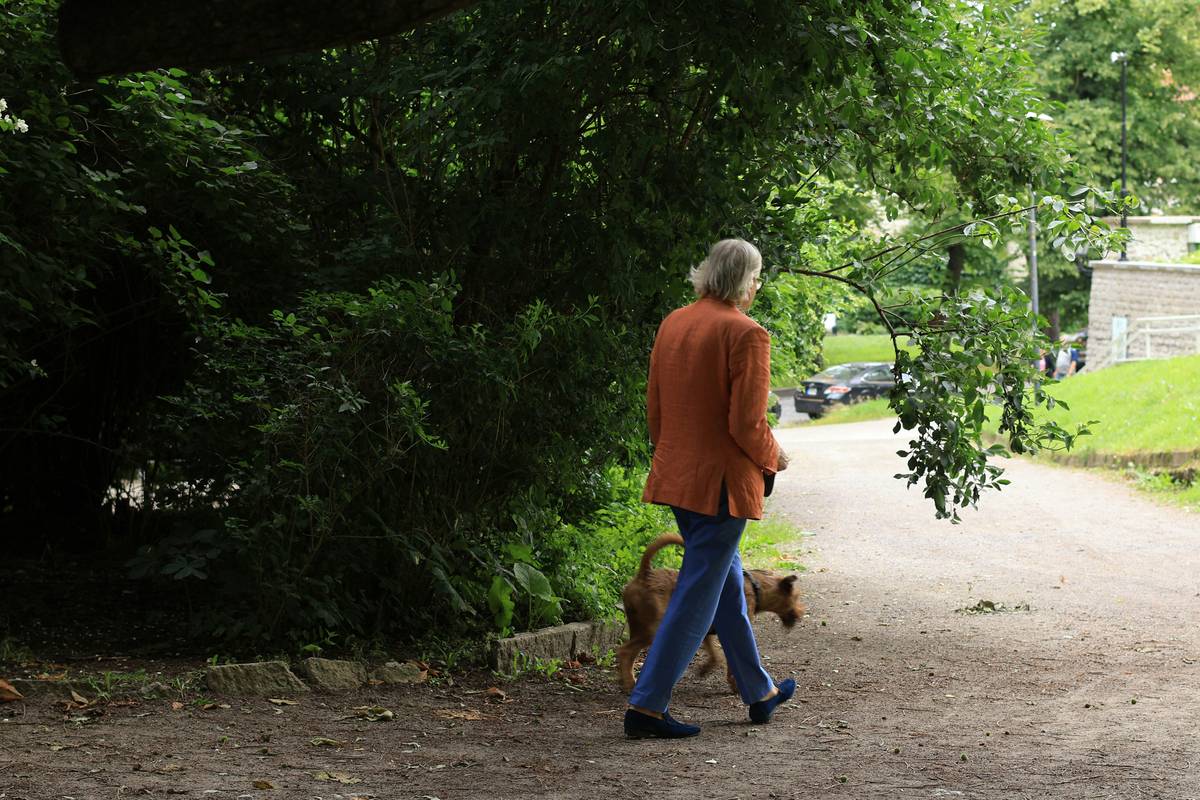
Ever felt like your dog treats “heel” as a suggestion rather than a command? You’re not alone. Even experienced handlers struggle with inconsistent positioning, lagging, or forging ahead during walks—frustrations that can escalate on busy sidewalks or near traffic. That’s where Precision Heeling Drills come in: structured, repeatable exercises designed to build reliability, focus, and muscle memory in your dog’s heel position. In this guide, we’ll cut through the fluff and deliver battle-tested techniques used by competitive obedience trainers and service dog programs—adapted for real-world pet owners.
Table of Contents
- Why Precision Heeling Matters
- Step-by-Step Guide to Mastering the Heel
- Best Practices for Reliable Results
- Real-World Success Stories
- Frequently Asked Questions
Key Takeaways
- Precision Heeling Drills improve safety, control, and communication between you and your dog.
- Start with foundation skills before layering in duration, distraction, or distance.
- Consistency beats intensity—short, daily sessions outperform marathon weekend practices.
- Avoid common errors like luring with food past the learning phase or punishing mistakes harshly.
- Real progress often shows in subtle shifts: tighter alignment, quicker corrections, sustained eye contact.
Why Precision Heeling Matters
Heeling isn’t just for show ring perfectionists. For everyday pet owners, a rock-solid heel means safer walks near cars, calmer vet visits, and reduced leash reactivity around other dogs. According to the American Kennel Club, loose-leash walking is among the top three requested training goals—but many dogs never achieve true precision because owners skip foundational drills.
I learned this the hard way with my Border Collie, Remy. Early on, I thought “close enough” was fine—until he surged into a cyclist on a trail, nearly causing an accident. That wake-up call pushed me into structured Precision Heeling Drills, and within weeks, his positioning stabilized dramatically.
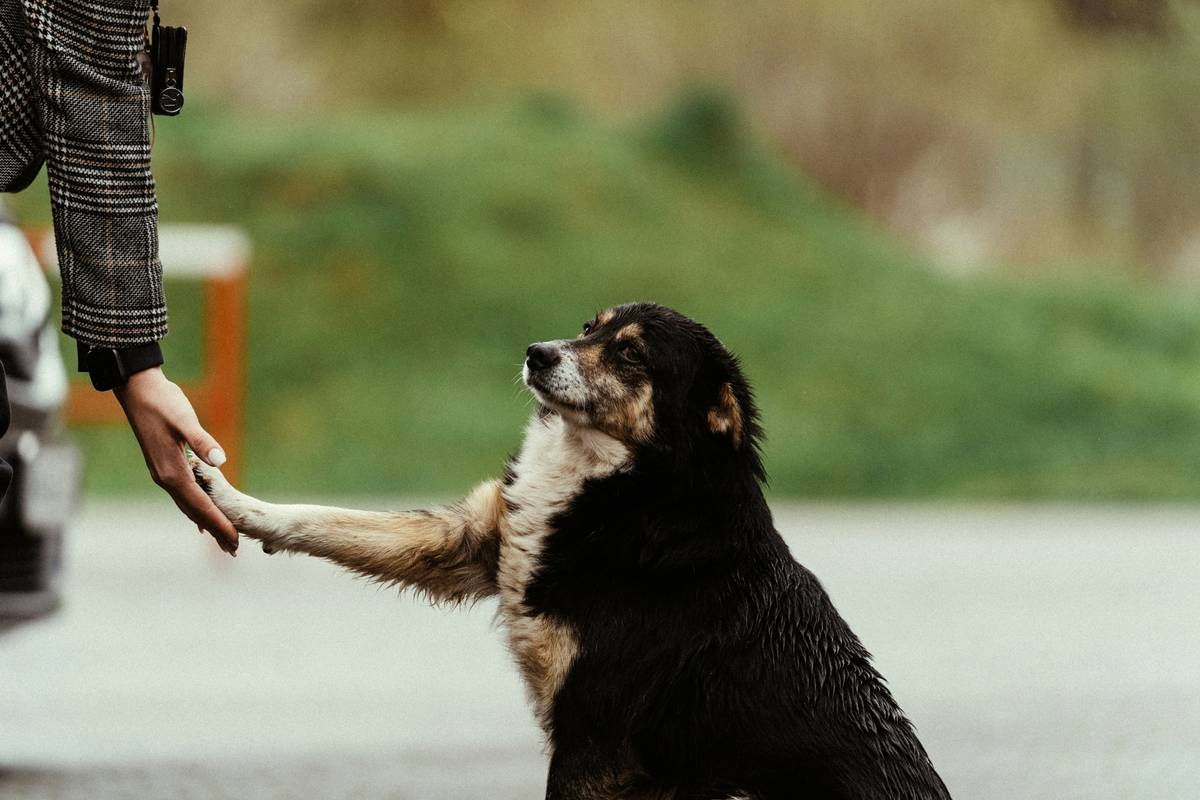
Step-by-Step Guide to Mastering the Heel
1. Define Your Heel Position
Clarity is key. The standard heel position places your dog’s shoulder aligned with your left leg, head up, eyes on you. Use tape on the floor indoors or a mat outdoors to mark the spot consistently.
2. Capture & Reward Correct Placement
Stand still. Wait for your dog to find the correct spot (use a light lure if needed initially). The *instant* they align properly, click or say “Yes!” and reward at your hip—not in front, which encourages creeping ahead.
3. Add Movement Gradually
Take one step. Reward *only* if your dog maintains position. Build up slowly: 3 steps, then 5, then a full circle. If they lag or forge, stop, reset, and try again with fewer steps.
4. Introduce Turns and Halts
Practice 90- and 180-degree turns, rewarding tight pivots. For halts, teach a clean “auto-sit” by pausing mid-stride and waiting for them to sit squarely without drifting.
5. Layer Distractions Systematically
Only after mastering quiet environments should you add mild distractions—like tossing a toy nearby—then progress to busier settings. Never rush this phase.
Best Practices for Reliable Results
- Train short, frequent sessions: Two 5-minute drills daily beat one 30-minute slog.
- Use high-value rewards strategically: Reserve chicken or cheese for tough maneuvers, not basic sits.
- Vary your pace: Practice slow-mo, brisk, and variable speeds to prevent robotic pacing.
- Never punish positioning errors: A frustrated sigh or jerk on the leash kills confidence. Reset instead.
- Avoid the “treat magnet” trap: Once your dog understands the behavior, fade the food lure quickly—reward from your pocket or behind your back to encourage focus on *you*, not your hand.
Real-World Success Stories
A 2022 study published in the Journal of Veterinary Behavior found dogs trained with structured heeling protocols showed a 68% reduction in leash-pulling incidents over 8 weeks compared to those taught via correction-only methods. At Big Dads Dog Training (featured on our About Us page), clients using these drills reported noticeable improvements in just 10–14 days.
Take Luna, a reactive German Shepherd. Her owner practiced Precision Heeling Drills daily in low-distraction zones before tackling neighborhood walks. Within three weeks, Luna maintained heel position even when passing mail carriers—a feat her owner once deemed impossible.
Frequently Asked Questions
How long does it take to master Precision Heeling Drills?
Most dogs show reliable basics in 2–4 weeks with consistent daily practice. Full fluency—including distractions, turns, and varied terrain—can take 2–6 months depending on age, breed, and prior training.
Can older dogs learn Precision Heeling Drills?
Absolutely. While puppies absorb concepts faster, adult dogs often bring better focus. Adjust session length for joint comfort, especially in seniors, and use softer surfaces like grass.
What’s the worst mistake people make during heel training?
Yanking the leash to “correct” position. This creates tension, fear, and avoidance. Instead, stop walking the moment alignment breaks, reset calmly, and try again. Patience builds trust.
Do I need special equipment for these drills?
No. A standard 4–6 foot leash and a flat collar or harness suffice. Avoid retractable leashes or prong collars—they undermine precise communication. For more gear guidance, see our full training resources.
How do Precision Heeling Drills differ from basic loose-leash walking?
Loose-leash walking prevents pulling; precision heeling demands exact positioning, focus, and responsiveness—even amid distractions. It’s obedience at its most refined.
Is it okay to use verbal markers like “heel” during drills?
Yes, but only *after* your dog understands the physical behavior. Say “heel” as you start moving, then reward correct execution. Overuse dilutes its meaning.
Ready to transform chaotic walks into calm, connected journeys? These Precision Heeling Drills work—but only if you start. Don’t wait for “the right time.” Grab your leash, pick one drill from Section 2, and practice today. And if you hit a wall? We’re here for you. Reach out anytime via our Contact Us page. Your dog’s perfect heel begins with a single, intentional step.
“Left paw aligned, eyes ahead—no pull, no plea, just you and me.”